
Sentante announces first-of-its-kind remote robotic stroke procedure
Sentante today announced the completion of a first-of-its-kind remote stroke procedure in Scotland using its robotic platform.

Sentante today announced the completion of a first-of-its-kind remote stroke procedure in Scotland using its robotic platform.

Stereotaxis (NYSE:STXS) announced today that it received FDA 510(k) clearance for its next-generation GenesisX surgical robot.
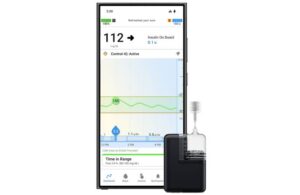
Tandem Diabetes Care (Nasdaq:TNDM) announced today that it received FDA approval for the Android version of its Mobi mobile app
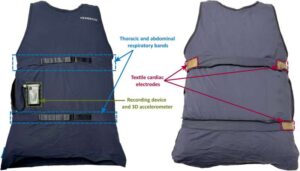
Epilepsy is the world’s most common chronic neurological condition, affecting about 1 in every 100 people. Those who have it go into seizures of varying intensity, ranging from barely noticeable to dramatic, with convulsions and loss of consciousness.

Stanford Health Policy researchers built a model to test whether AI could effectively manage disease spread between prisons and surrounding communities. The results were decisive.

Researchers from Deakin University, Black Dog Institute and UNSW have completed an AI-optimized trial testing digital mental health interventions for university students experiencing psychological distress.
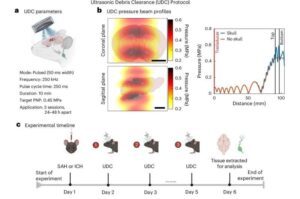
A low-intensity ultrasound treatment clears neurotoxic debris from the brains of mice with induced bleeding that resembles a hemorrhagic stroke, according to a study published in Nature Biotechnology.
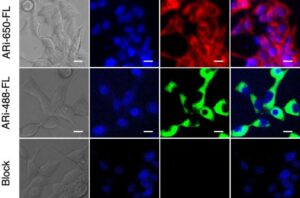
Researchers at Wayne State University and the Barbara Ann Karmanos Cancer Institute have developed a chemical imaging probe that resists the breakdown of certain compounds in the body, giving doctors a more dependable way to track and potentially treat prostate cancer.
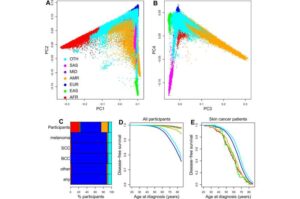
Researchers at the University of California San Diego School of Medicine have developed a new approach for identifying individuals with skin cancer that combines genetic ancestry, lifestyle and social determinants of health using a machine learning model. Their model, more accurate than existing approaches, also helped the researchers better characterize disparities in skin cancer risk and outcomes.
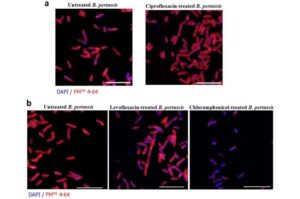
A research team from Trinity College Dublin has unveiled a new approach to vaccination that could redefine how we protect against respiratory infections. In a study published in Nature Microbiology, the team demonstrate that their nasally delivered, antibiotic-inactivated Bordetella pertussis (AIBP) vaccine not only prevents severe disease but also curbs bacterial transmission—an achievement long sought by vaccine developers worldwide.