
3D bioprinting offers alternative to animal testing for skin disease research
At TU Wien, researchers are developing three-dimensional (3D) printing techniques that can be used to create living biological tissue—for example, to study skin diseases.

At TU Wien, researchers are developing three-dimensional (3D) printing techniques that can be used to create living biological tissue—for example, to study skin diseases.

As rates of obesity, high blood pressure, type 2 diabetes and sleep apnea increase, cases of advanced chronic liver disease and resulting liver scarring or cirrhosis also are rising. Patients are often diagnosed based on symptoms, such as gastrointestinal bleeding, fluid retention or jaundice, which happen when liver disease has progressed to a late stage.
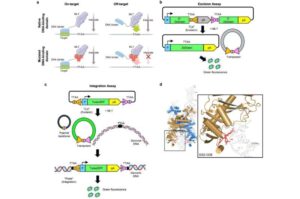
Their next target is to use this technology in CAR T-cell immunotherapy, which reprograms the immune system to hunt and destroy cancer cells.
Lung cancer is the second-most common cancer and the leading cause of cancer death in the United States. Over 80% of lung cancers are non-small cell lung cancers, in which tumor cells are larger and grow more slowly than those in small cell lung cancer.
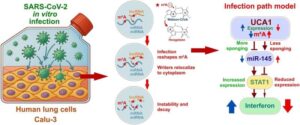
Researchers at the Federal University of São Paulo (UNIFESP) in Brazil have discovered that SARS-CoV-2, the virus that causes COVID-19, uses a sophisticated tactic to evade the human body’s defense system
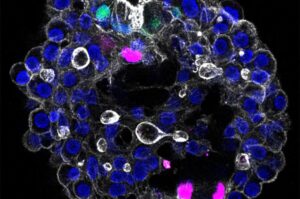
Liver disease is a major global health problem, causing over two million deaths worldwide each year. While animal models have helped to understand liver biology, they often fail to accurately translate to human biology.

Cedars-Sinai investigators have discovered a healing mechanism that could one day be harnessed to help treat patients with spinal cord injuries, stroke, and neurological conditions such as multiple sclerosis. Their study, published in Nature, describes a previously unknown function of astrocytes, a type of cell in the central nervous system.
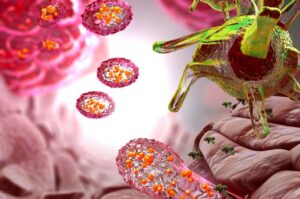
EPFL researchers have successfully engineered cells of the immune system to more effectively recognize cancer cells. The work, covered in two papers, turns the previously lab-based method into a full-blown immunotherapy strategy.

Stimulating the liver to produce some of the signals of the thymus can reverse age-related declines in T-cell populations and enhance response to vaccination.
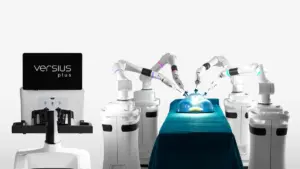
CMR gained FDA marketing authorization for its first-generation Versius robot in October 2024 through the de novo pathway. In April, the company said it raised more than $200 million to support the commercialization of Versius.