
MediBeacon secures CE Mark certification for TGFR monitor and sensor
Lumitrace is currently approved in China and the US, with submission to EU regulatory authorities pending.

Lumitrace is currently approved in China and the US, with submission to EU regulatory authorities pending.
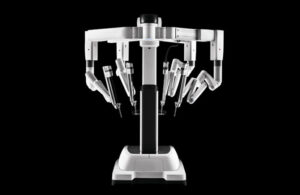
Restore Robotics announced new FDA 510(k) clearances for the remanufacturing of two Intuitive da Vinci Xi robotic surgical instruments.
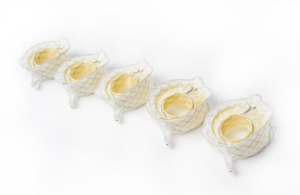
Vdyne announced today that it received FDA investigational device exemption (IDE) for a pivotal trial evaluating its heart valve system.
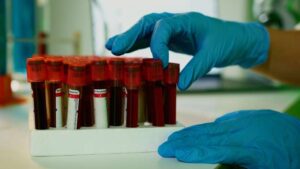
A blood test could help identify people at higher risk of cognitive decline years before a traditional diagnosis is possible—according to University of East Anglia research published in the journal Gut Microbes.
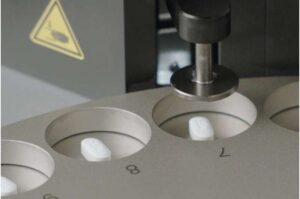
Federal regulators on Wednesday approved Eli Lilly’s new weight-loss pill, a second daily oral medication to treat obesity and other weight-related conditions.
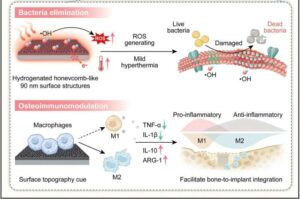
A research team from the Department of Orthopedics and Traumatology, School of Clinical Medicine, LKS Faculty of Medicine at the University of Hong Kong (HKUMed), has developed a titanium implant surface that can be activated by near-infrared (NIR). With just 15 minutes of NIR irradiation, this surface can eliminate 99.94% of Staphylococcus aureus (S. aureus) biofilms without the use of antibiotics, while simultaneously promoting bone-implant fusion.

Working with “digital twins” of patients’ hearts, doctors have improved cardiac ablation outcomes for patients with life-threatening arrhythmias. In the first clinical trials for cardiac digital twins technology, researchers at Johns Hopkins University created digital replicas of patients’ hearts, then tested procedures on those twins before performing them on the real thing. Working with digital twins resulted in faster and significantly more accurate procedures that reduced recurrences of arrhythmias for patients, compared to traditional methods.
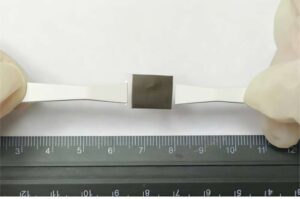
Melanoma is a deadly form of skin cancer that is typically removed surgically. Now, researchers publishing in ACS Nano report they have developed a potential noninvasive treatment for melanoma in the form of a stretchy, heat-activated patch similar to a bandage. When activated, the patch releases copper ions that kill the underlying cancer cells and prevent them from spreading. In tests with mice, the researchers say the patch reduced melanoma lesions without damaging surrounding tissue.