Blog

- April 2, 2026

Supercomputer simulations reveal early red blood cell damage in blood pumps

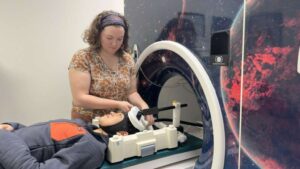
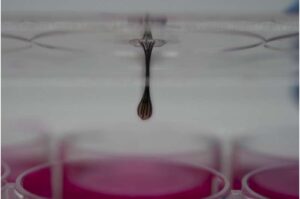
For patients with heart failure, blood pumps can be lifesaving. But the very forces that sustain circulation can also harm it, damaging red blood cells through hemolysis and compromising the body’s oxygen supply. Now, supercomputer simulations are revealing how red blood cells deform under stress, offering new insights that could lead to safer, more effective blood pump designs.
Read More »

Scalable sensors lower the cost of studying genetic disorders

Researchers have demonstrated a new class of low-cost, scalable sensors that can be used to monitor electrical activity in human cerebral organoids. Because electrical signals are key to understanding brain function, this advancement facilitates research into both neurodevelopment and genetic disorders such as Angelman syndrome.

Read More »

AI-powered portable eye scanner expands access to low-cost community screening

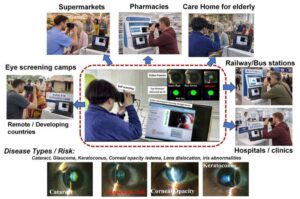
Imagine being able to assess how healthy the front of our eyes are not only in hospitals, but also in remote eye-screening camps, elderly-care facilities, pharmacies, or even train stations. That is the future a research team led by Professor Toru Nakazawa at the Graduate School of Medicine, Tohoku University is working toward with a newly developed portable AI-powered scanning slit-light device. This convenient device hopes to make ophthalmic care more accessible, so patients can be assessed any place and any time. The findings are published in Scientific Reports.

Read More »

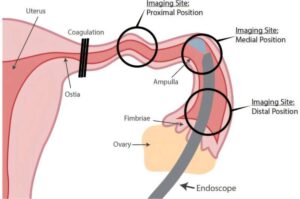
A redesigned endoscope offers a new way to look for early signs of ovarian cancer

Ovarian cancer remains the deadliest gynecologic cancer, largely because it is rarely found early. Symptoms are often vague, and existing screening approaches—such as blood tests and transvaginal ultrasound—can miss the disease at stages when treatment is most effective. In recent years, research has reshaped understanding of how many aggressive ovarian cancers begin, pointing not to the ovary itself, but to the fallopian tubes. That shift has created a need for tools that can safely examine these narrow structures for early changes linked to cancer.

Read More »