
Okami Medical Receives FDA Expanded Indication for LOBO Vascular Occluder in Peripheral Veins
Okami Medical has announced that the U.S. Food and Drug Administration (FDA) has granted an expanded indication for its LOBO Vascular Occlusion System.

Okami Medical has announced that the U.S. Food and Drug Administration (FDA) has granted an expanded indication for its LOBO Vascular Occlusion System.

Women struggling to secure answers for suspected endometriosis and PMOS could be given stronger evidence of their symptoms through wearable technology shaped by its founder’s own lived experience. WombWise, founded by Edinburgh Napier University graduate Emily Youngs, has been crowned winner of the Create Change Challenge at the Converge Awards.

BELLEVUE, Wash., Oct. 8, 2026 /PRNewswire/ — Viome PRO, the clinical division of Viome Life Sciences, today launched CancerDetect® Pancreatic, a blood test that looks for pancreatic ductal adenocarcinoma by measuring the enzyme activity associated with the disease. In Viome’s blinded validation, the test detected 86 percent of stage I and II cancers with 90 percent specificity, a performance aimed squarely at the early stages where treatment can still change the outcome. The test is ordered by a physician, drawn as a routine venous sample, and processed in Viome’s CLIA-certified laboratory.

Sonorous’ FDA IDE approval follows its BosSTENT’s receipt of FDA breakthrough device designation in February 2026.

Argus’s Neurora tool is intended to complement clinicians’ professional judgement rather than serve as a standalone diagnostic for autism.
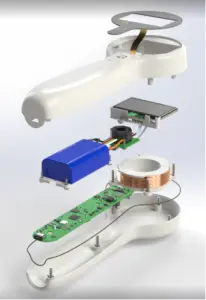
BridgeSource Medical obtained de novo clearance from the FDA for its handheld cardiac implant identifier, designed to help emergency department clinicians quickly identify a patient’s hardware brand.
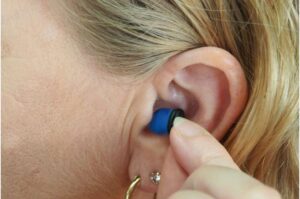
A team of hearing specialists at Vanderbilt Health analyzed thousands of data samples in the institution’s BioVU biobank to understand genetic susceptibility of sensorineural hearing loss, which is caused by damage to the inner ear. Their study is published in JAMA Otolaryngology-Head & Neck Surgery.
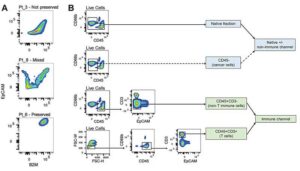
In a study published in Science Immunology, researchers used malignant ascites—fluid that accumulates in the abdomen of some patients when cancer metastasizes to the abdominal cavity—to uncover immune programs associated with metastatic disease, including a rare population of RORC-expressing dendritic cells not previously linked to human cancer.

Older people could be monitored safely in their own homes without the need for intrusive cameras or wearable devices thanks to new research by Nottingham Trent University (NTU).
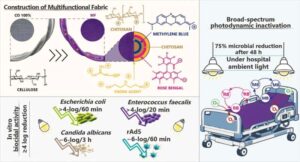
A team has developed a new self-disinfecting cotton fabric capable of eliminating bacteria, fungi and viruses in hospital settings using visible light.