
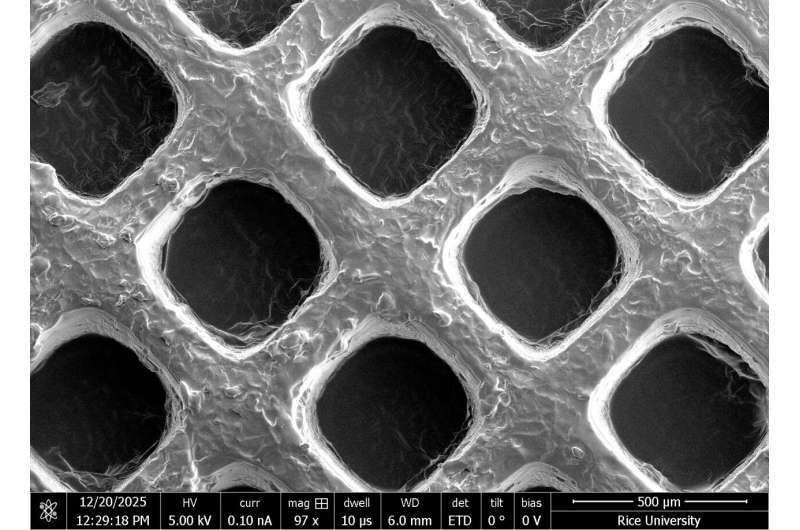
Metastasis, the spread of cancer from a primary tumor to other parts of the body, is difficult to study in the lab, in part because researchers lack reliable ways to recreate the conditions cancer cells encounter as they travel through the bloodstream. Now Rice University bioengineers report a new platform designed to streamline one of the major challenges for metastasis research. The work is published in the journal Advanced Healthcare Materials.
Called the Advanced Tumor Landscape Analysis System (ATLAS), the platform makes it easier to generate large quantities of cancer cell clusters that accurately model those involved in metastasis. Using the platform, the Rice team gained new insights into the mechanisms that enable cancer clusters to survive in the bloodstream during the metastatic process.