
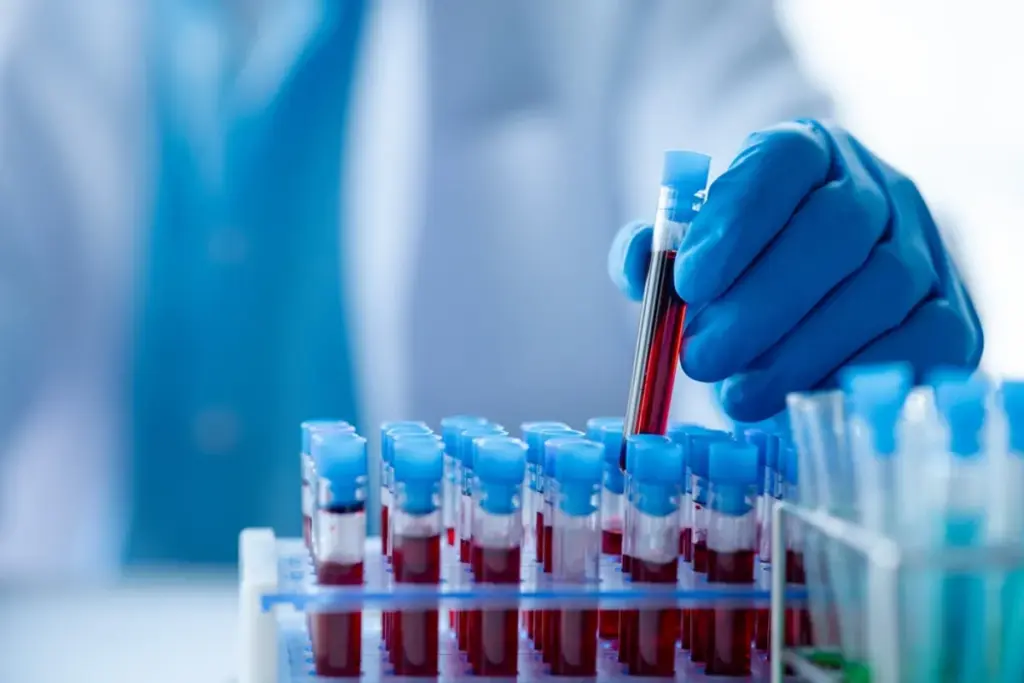
According to the manufacturer, the blood sample could be used to detect more than 50 types of cancer, including breast, prostate, and lung — the three leading cancers in the U.S., according to the National Cancer Institute.
If successful, it has the potential to shake up cancer care, resulting in better outcomes for patients. After all, the earlier a cancer is detected, the higher the likelihood that treatment will be successful. However, the results of trials to date have been mixed.
This is what we know about the test so far and what it could mean for cancer screening moving forward.