
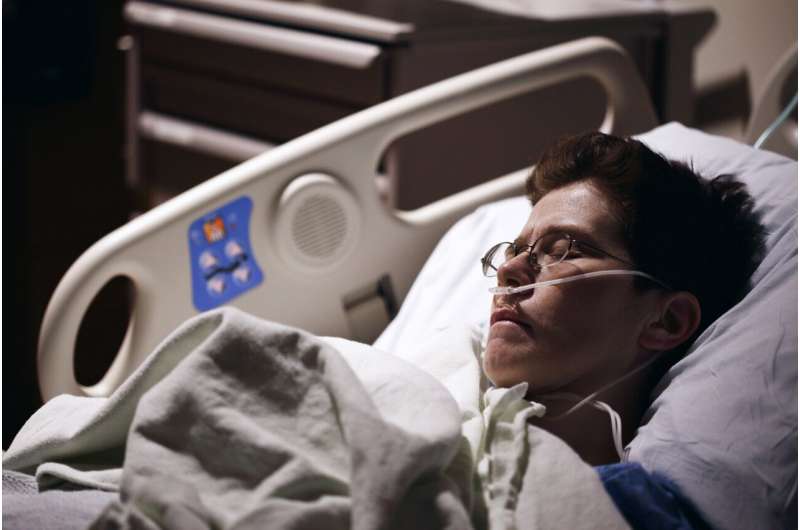
The study, published in the journal Brain, opens the door to noninvasive brain-computer interfaces that could allow seemingly comatose patients with hidden consciousness to communicate with doctors and family members.
“Research in the past decade by us and others has shown that many patients with acute brain injury who appear to be in a coma actually have some level of preserved consciousness, even though they are unable to speak or move their hands or eyes to communicate,” says Jan Claassen, M.D., a professor of neurology at Columbia University Vagelos College of Physicians and Surgeons, who led the study.