
Injuries that fail to heal for more than a month are considered chronic wounds. They affect an estimated 12 million people annually worldwide, and around 4.5 million in the U.S. Of these, about one in five patients will ultimately require a life-altering amputation.
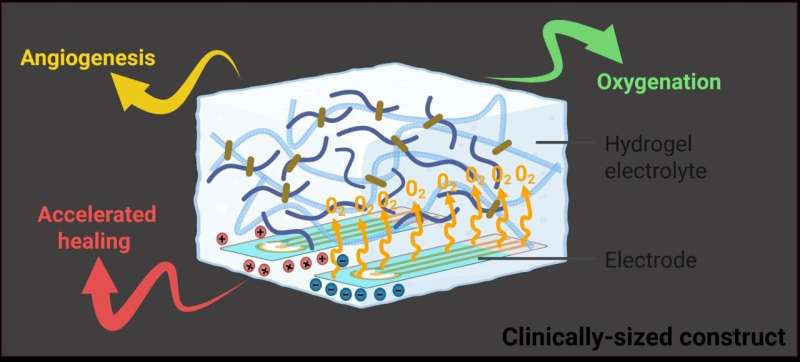
The new gel, tested in animal models, targets what researchers believe is a root cause of many chronic wounds: a lack of oxygen in the deepest layers of the damaged tissue. Without sufficient oxygen, wounds languish in a prolonged state of inflammation, allowing bacteria to flourish and tissue to deteriorate rather than regenerate.