
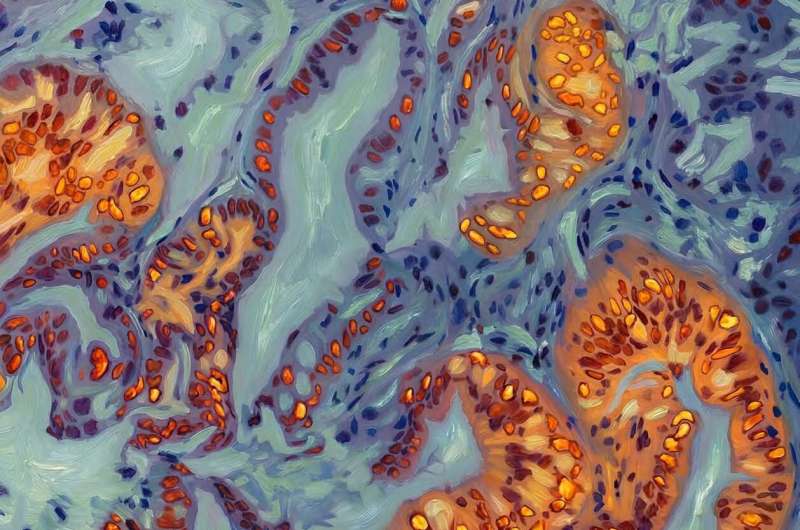
Published in the Journal of Clinical Investigation, the study reveals the molecular mechanism behind this switch, suggesting that combining targeted drugs with standard chemotherapy could improve outcomes for patients with therapy-resistant forms of the disease.
Pancreatic cancer is among the deadliest cancers worldwide. In Singapore, it is the ninth most common cancer but the fourth leading cause of cancer death. Because it is often diagnosed late and responds poorly to treatment, most patients rely on chemotherapy, which typically offers only modest benefits.