
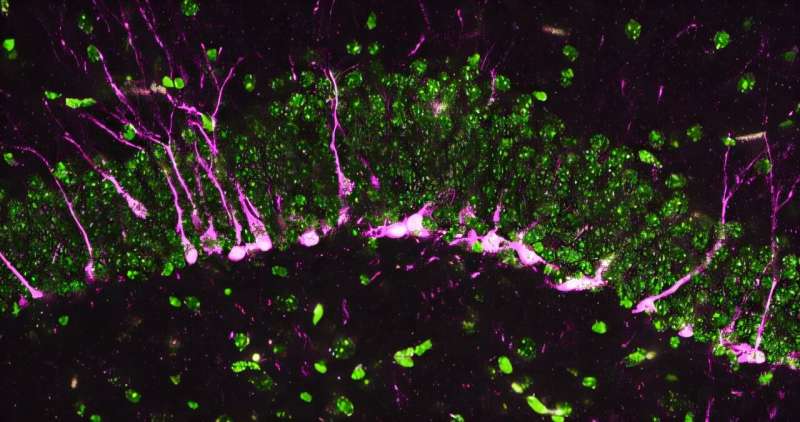
Experiments conducted in genetically engineered mice reinforce that the protein, Cystathionine γ-lyase, or CSE—ordinarily known for producing hydrogen sulfide gas responsible for the foul smell of rotten eggs—is critical for memory formation, says Bindu Paul, M.S., Ph.D., associate professor of pharmacology, psychiatry and neuroscience at the Johns Hopkins University School of Medicine, who led the study.
The new research, published in Proceedings of the National Academy of Sciences, was designed to better understand the basic biology of the protein, and its value as a novel target for drugs that boost the expression of CSE in people to help keep brain cells healthy and slow neurodegenerative disease.