
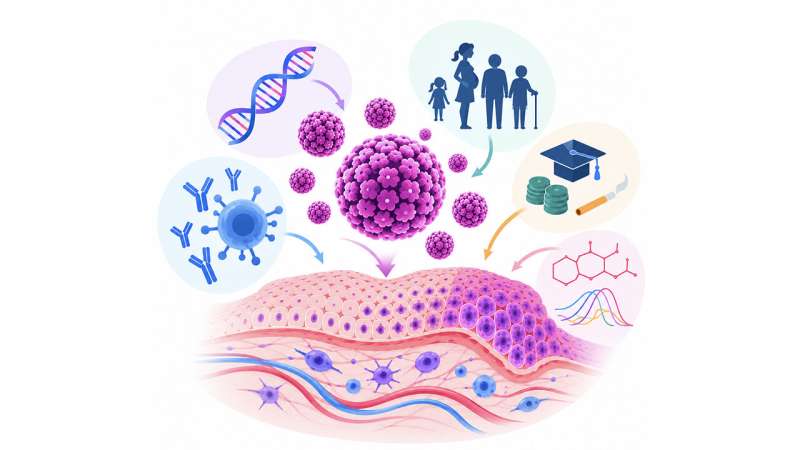
This difficulty stems from the complex and dynamic nature of HPV-associated carcinogenesis (the biological process by which a healthy cell becomes a cancer cell). The outcome of an infection is shaped by numerous factors, including viral characteristics, the host immune response, genetic and epigenetic factors, the microbiome, hormonal influences and environmental exposures. These interactions are further complicated by random biological events, including the accumulation of mutations associated with virus-induced genomic instability.
“The main challenge may no longer be to discover a new biomarker, but rather to understand how all these biological mechanisms interact to determine the outcome of an HPV infection,” explains Michael Herfs, an oncologist at GIGA (University of Liège)