
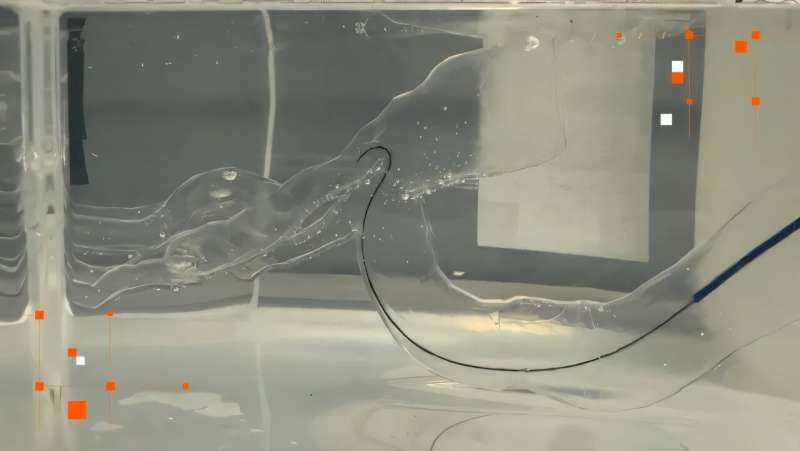
Stroke is the second-leading cause of death worldwide, and its incidence is rising. MT is a life-saving procedure that removes blood clots from large arteries in the brain during stroke. For some types of stroke, it is the most effective treatment, improving recovery and lowering the risk of death compared with medication alone.
However, MT is a complex procedure that requires highly specialized expertise. As a result, access remains limited, with many hospitals unable to offer the treatment. Robotic systems could help expand access to MT by enabling specialists to perform procedures remotely.