
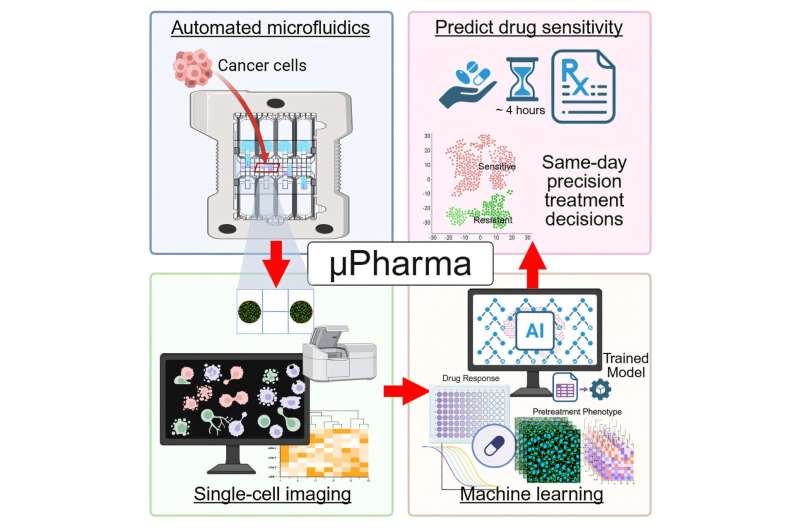
Scientists at the University of Utah (the U) have developed a new “lab-on-a-chip” device that uses artificial intelligence to rapidly predict cancer cell sensitivity to targeted therapies for children with T-cell acute lymphoblastic leukemia (T-ALL), an aggressive and difficult-to-treat cancer.
Researchers say the tool, which is not yet used in clinical settings, may help reduce unnecessary treatments and side effects by quickly identifying which therapies a patient’s cancer cells are sensitive to. The device, called μPharma, delivers results in under four hours rather than many days—offering a potential pathway to same-day precision medicine when every minute counts.