
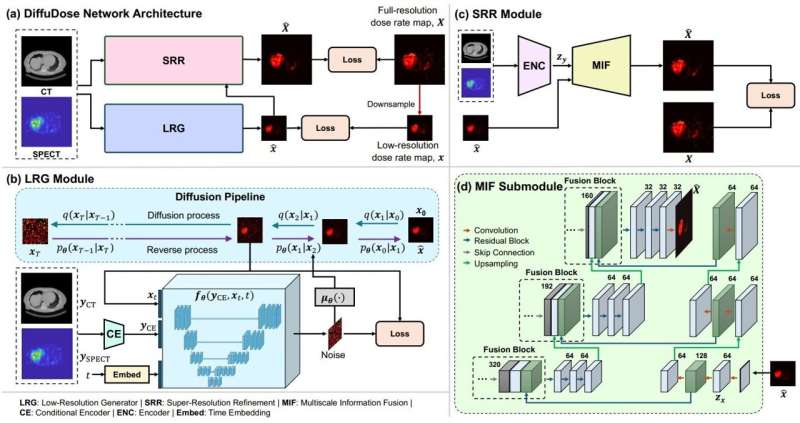
“Right now, everybody gets the same dose,” says Joyita Dutta, a professor in the Riccio College of Engineering at UMass Amherst. “That essentially leaves the therapy’s potential untapped, to the extent that it’s suboptimal for a given patient. Measuring how much radiation each tissue actually absorbs is the key to personalizing treatment.”
RPT received FDA approval to treat late-stage prostate cancer in 2022. One of the most common cancers in men in the U.S. (second only to skin cancer), prostate cancer affects 1 in 8 men during their lifetimes. While survival rates are good if the cancer is caught early, those whose cancer is diagnosed after it has spread have a five-year survival rate of only 40%.