
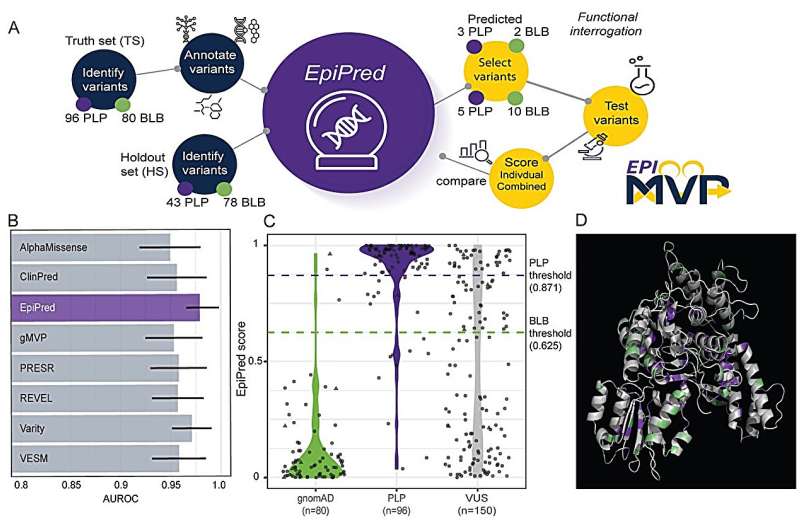
The findings represent a step toward connecting patients with emerging precision therapies, said Gemma Carvill, Ph.D., associate professor in the Ken and Ruth Davee Department of Neurology’s Division of Epilepsy and Clinical Neurophysiology, who was senior author of the study.
In the study, Carvill and her collaborators focused on STXBP1, one of the most common genes associated with developmental and epileptic encephalopathies, a group of rare neurodevelopmental disorders characterized by seizures early in life and significant developmental delays.