
Cancer immunotherapy drugs known as immune checkpoint inhibitors (ICIs) can be miracle drugs for cancer patients, curing some and turning deadly disease into a manageable chronic condition in others. But these drugs work for only a subset of patients, with few indications why—a knowledge gap that has detrimental effects on patient prognosis, clinical trial recruitment and research that could lead to new therapies.
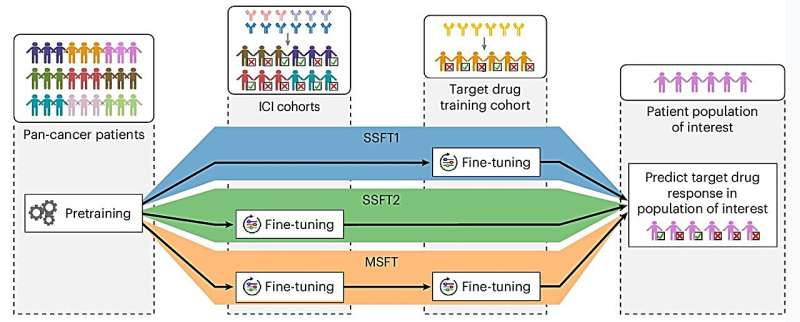
“ICIs are an exciting therapeutic modality that has transformed cancer treatment over the past decade by engaging the immune system to fight cancer cells and destroy them. By leveraging cutting-edge AI capabilities, we can identify who would be most likely to respond to a particular ICI before that patient receives the drug,” said study senior author Marinka Zitnik, associate professor of biomedical informatics in the Blavatnik Institute at HMS.