
Advanced heart failure is currently detected through cardiopulmonary exercise testing (CPET), which requires specialized equipment and trained staff and is typically only available at large medical centers. Due in part to this diagnostic bottleneck, only a few of the estimated 200,000 people in the United States with advanced heart failure get appropriate care each year.
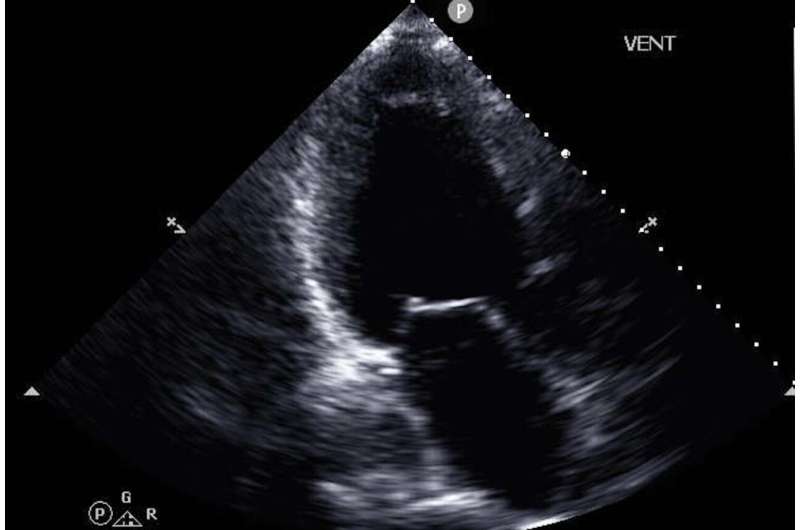
In the new study, published March 3 in npj Digital Medicine, the researchers tested a novel AI-powered method that may remove this bottleneck. The new method predicts with high accuracy the most important CPET measure, peak oxygen consumption (peak VO2), using much more easily obtainable ultrasound images of the patient’s heart plus the patient’s electronic health records.