
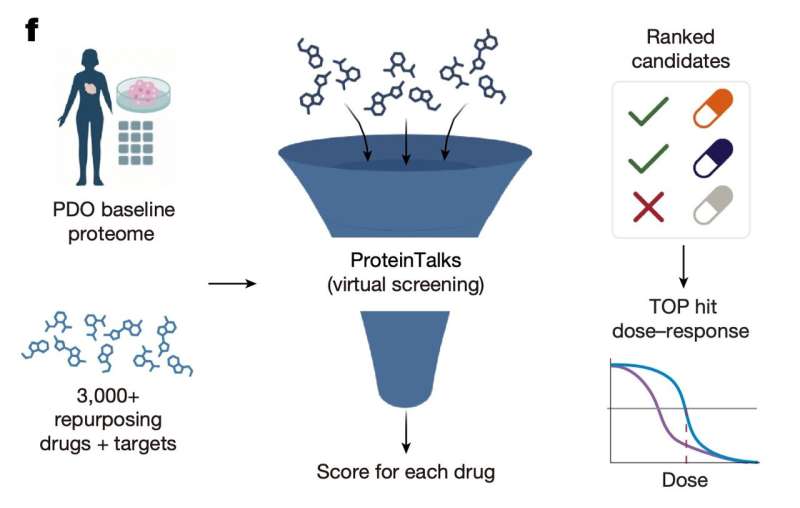
The team captured more than 38 million protein measurements to map how breast cancer cells respond to 63 FDA-approved anticancer drugs and 59 two-drug combinations. Instead of looking at a single moment, they followed the response over time, measuring before treatment and again at 6, 24 and 48 hours. This time-resolved dataset is what helps ProteinTalks learn how protein levels shift as the drug takes effect.
According to the report published in Nature, ProteinTalks outperformed existing AI models based on gene activity and traditional machine-learning methods in predicting how cancer cells respond to drugs.