
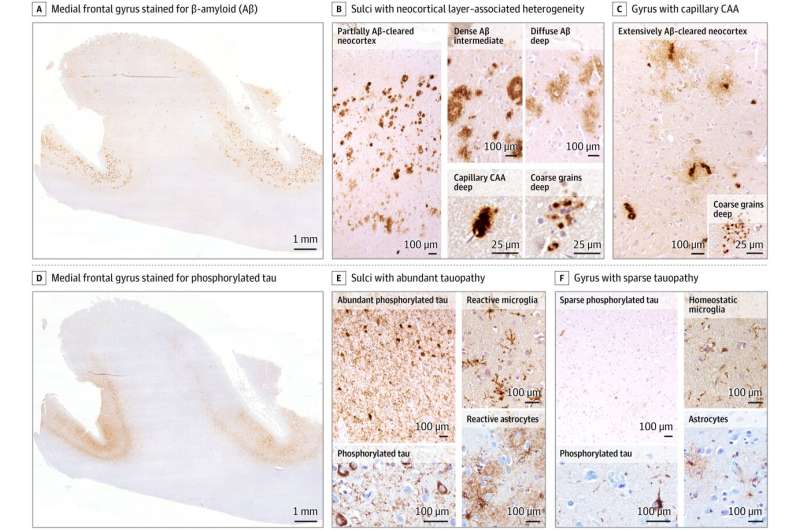
The findings provide rare human evidence that clearing amyloid plaques may have long-term effects on the biological processes that drive AD. The study also suggests that removing amyloid early and extensively may slow the progression of the disease by limiting the accumulation of tau and subsequent neurodegeneration, according to findings presented July 13 at the 2026 Alzheimer’s Association International Conference by researchers from the Perelman School of Medicine at the University of Pennsylvania. The report was also concurrently published in JAMA.
“Seeing both disease patterns side-by-side in the same brain gave us a rare opportunity to understand how amyloid removal affects other proteins that contribute to Alzheimer’s disease,” said co-senior author David Wolk, MD, co-director of the Penn Memory Center and director of the Penn Alzheimer’s Disease Research Center. “The findings provide some of the clearest human evidence to date that anti-amyloid therapies may limit the accumulation of tau and slow the brain changes that lead to memory loss and cognitive decline.”