
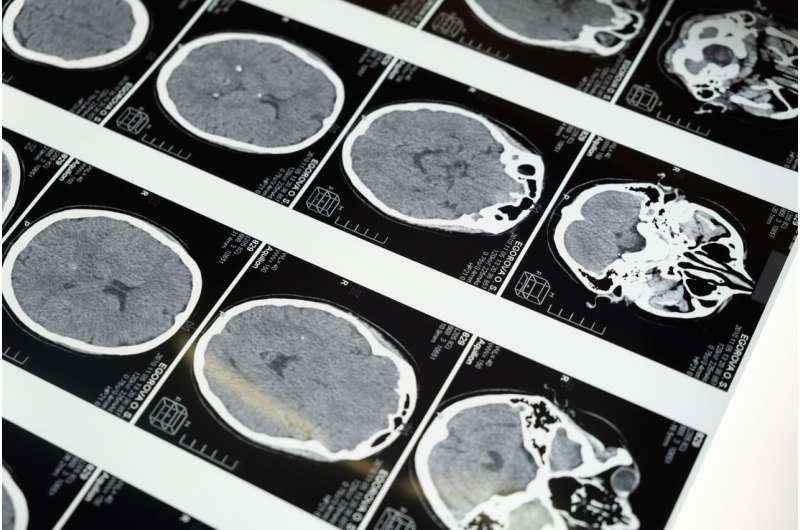
The vaccine not only ensures that the cancer-fighting T cells proliferate rapidly, but it also facilitates their entry into the brain, where they can attack the tumors. The results open up new avenues for the development of more effective immunotherapies against this aggressive form of cancer.
Glioblastomas are considered the most aggressive form of brain cancer. Despite surgery, radiation and chemotherapy, the tumors often recur. High hopes are therefore pinned on immunotherapies that specifically activate the body’s own immune cells to attack cancer cells. However, such treatments have so far reached their limits, particularly when it comes to brain tumors: Too few of the therapeutic immune cells reach the tumor—and once there, they often lose their activity.