
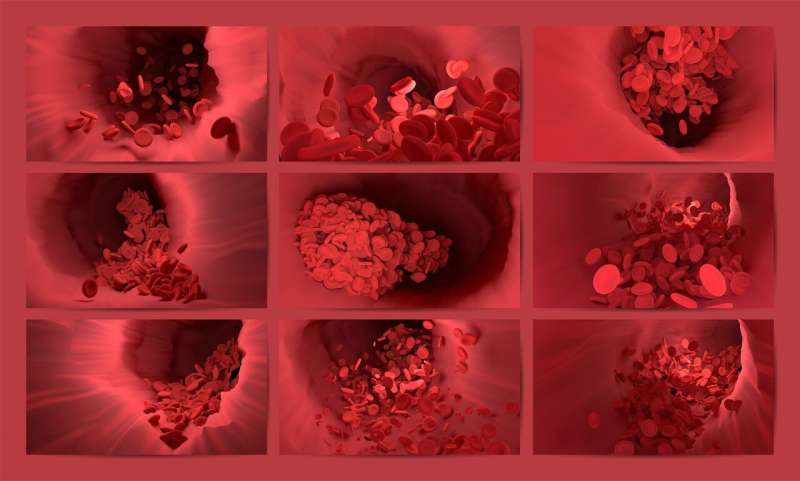
In a study published in Cell Biomaterials, researchers developed a tool to address this challenge: an artery-on-a-chip platform that can replicate a patient’s specific vascular structure and blood flow dynamics, called a “physical twin.”
“This idea was born out of a critical clinical gap,” says author Lining Arnold Ju of the University of Sydney in Australia. “We know that even patients at ‘low risk’ can suffer from severe or fatal strokes. We wanted to find a better way to predict this risk.”
Ischemic strokes occur when a blood vessel supplying the brain is blocked, usually by a clot or fatty plaque. When vital blood and oxygen are cut off, brain cells die within minutes. For this reason, it’s important to find new ways to predict who is at highest risk so that better interventions can be developed.