
Hydrogen gas found to play key role in supporting gut health
Melbourne scientists have revealed how hydrogen is made and used in the human gut. Though infamous for making flatulence ignite, hydrogen also has a positive role supporting gut health.

Melbourne scientists have revealed how hydrogen is made and used in the human gut. Though infamous for making flatulence ignite, hydrogen also has a positive role supporting gut health.

Two teams of researchers have developed a cell reprogramming technology that converts rogue disease-causing T cells from our immune system into protective Tregcells. These cells help ensure that the immune system doesn’t attack the body’s own tissues. The breakthroughs could usher in more personalized and targeted cell therapies for a host of autoimmune diseases.
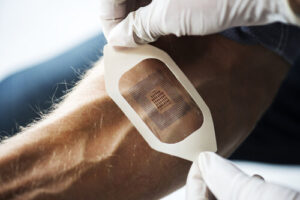
YORK, S.C., Oct. 23, 2025 /PRNewswire/ — Elkem ASA (ticker: ELK), a global leader in advanced silicon-based materials, today unveiled SILBIONE™ LSR Select EC 70, a next-generation medical-grade liquid silicone rubber. Designed for wearable and diagnostic devices, the material combines high electrical conductivity, certified biocompatibility1, and enhanced process control, setting a new standard for precision healthcare applications.
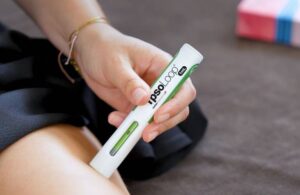
Ypsomed announced that it launched YpsoLoop, its first autoinjector platform designed for circularity.

Mode Sensors is currently undertaking a Series A funding round to support the US market launch of its wearable sensor.
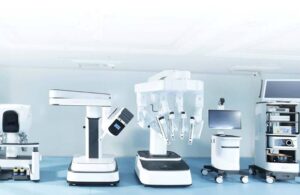
Edge Medical announced on LinkedIn today that it received CE mark for MSP2000, its robotic-assisted “super system.”
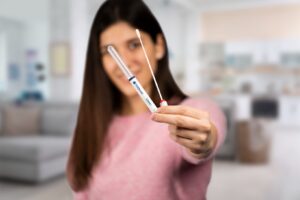
FRANKLIN LAKES, N.J., Oct. 22, 2025 /PRNewswire/ — BD (Becton, Dickinson and Company) (NYSE: BDX), a leading global medical technology company, today announced a new self-collection solution for HPV testing in markets outside the United States. This new innovation simplifies at-home sample collection for patients and further automates lab processing using high-tech robotics with the BD COR™ System.

Researchers at the Icahn School of Medicine at Mount Sinai and their collaborators have developed a new technology to track beneficial bacteria after fecal microbiota transplants (FMT). The approach provides a detailed view of how donor microbes take hold and persist in the patients’ gut—not only which bacteria successfully colonized but how they change over time.

Today’s GPS smartwatches and other wearable devices give millions of runners reams of data about their pace, location, heart rate and more. But one thing your Garmin can’t measure is plain old physics: How much force is being generated when your foot hits the ground and takes off again.
A genomic test co-developed by Mayo Clinic and SkylineDx can identify whether people with melanoma are at low or high risk for cancer in their lymph nodes—a finding that could guide treatment decisions and help many people avoid lymph node biopsy surgery. The study results are published in JAMA Surgery.