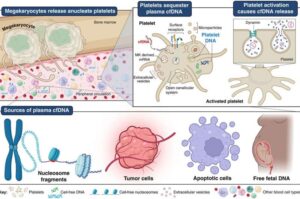
Scavenger platelets that store DNA could transform cancer screening
Swansea University has helped uncover a surprising new role for platelets—one that could significantly advance early cancer detection.

Swansea University has helped uncover a surprising new role for platelets—one that could significantly advance early cancer detection.
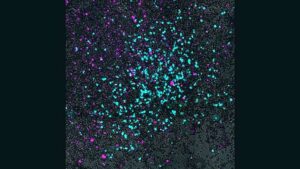
Researchers at Columbia Engineering have built a cancer therapy that makes bacteria and viruses work as a team. In a study published in Nature Biomedical Engineering, the Synthetic Biological Systems Lab shows how their system hides a virus inside a tumor-seeking bacterium, smuggles it past the immune system, and unleashes it inside cancerous tumors.
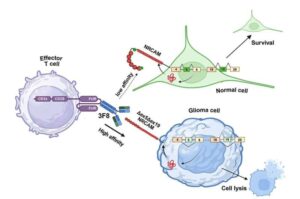
A new study, led by researchers at Children’s Hospital of Philadelphia (CHOP), identified tiny pieces of messenger RNA that are missing in pediatric high-grade glioma tumors but not in normal brain tissues.
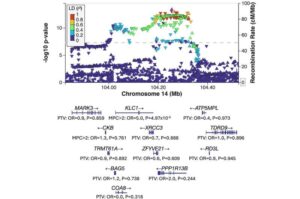
Researchers have discovered eight new genes associated with schizophrenia, in the largest exome-sequencing study of the disorder ever conducted. The breakthrough, made by scientists at the Centre for Neuropsychiatric Genetics and Genomics (CNGG) at Cardiff University, provides new information and improves the understanding and future treatment development for schizophrenia.
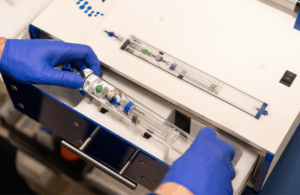
The FDA has granted breakthrough device designation to SpinaFX Medical’s Triojection system, a minimally invasive treatment for contained lumbar disc herniations.
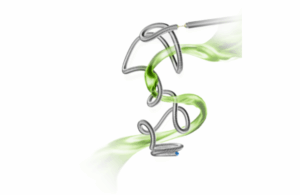
MicroPort NeuroScientific has launched its Numen coil embolization system in Egypt through a partnership with PentaMed.

The brain imaging study found that changes in brain dopamine are linked to symptoms of psychosis, no matter whether a person has been diagnosed with schizophrenia, bipolar disorder, or major depression.
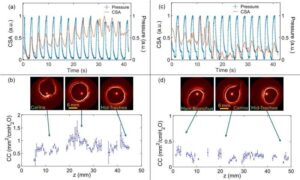
Scientists have developed a faster method for measuring the elasticity of airway walls, a property that can reveal important information about respiratory health.
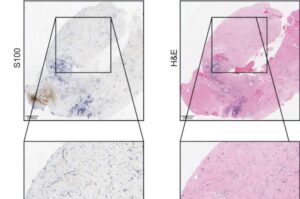
A research team co-led by UCLA investigators has found that pembrolizumab, an immunotherapy drug that helps the immune system attack cancer cells, can effectively shrink or eliminate tumors in patients with unresectable advanced desmoplastic melanoma, a rare and often aggressive form of skin cancer.

Scientists have pinpointed brain activity related to inner speech—the silent monolog in people’s heads—and successfully decoded it on command with up to 74% accuracy.