China NMPA approves Bracco Imaging’s contrast agent for infertility diagnosis
The diagnostic performance of HyCoSy with SF6 microbubbles claims to have been validated by a meta-analysis of 24 trials.

The diagnostic performance of HyCoSy with SF6 microbubbles claims to have been validated by a meta-analysis of 24 trials.

Uppsala University Hospital-led investigators report that gene-edited donor islet cells survived 12 weeks inside a man with long-standing type 1 diabetes without any immunosuppressive medication.

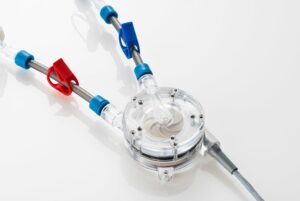
BiVacor announced today that the FDA accepted its Total Artificial Heart (TAH) into its Total Product LifeCycle Advisory Program (TAP).

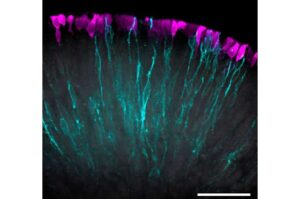
This mysterious organelle may play a vital role in how our cells recycle and process material, with major implications for disease research

Artificial intelligence (AI) is becoming a powerful new tool in training and education, including in the field of neurosurgery. Yet a new study suggests that AI tutoring provides better results when paired with human instruction.

Living with cardiovascular disease often takes a serious emotional toll—and with stress known to worsen heart health, there’s growing interest in low-risk, innovative ways to help patients cope. New research from UCLA Health suggests that virtual reality (VR) may offer a promising tool to ease psychological stress and support heart health.

For the first time, researchers from both Sheba Medical Center and Tel Aviv University have grown human kidney organoids (a synthetic 3D organ culture) from tissue stem cells in the laboratory, mirroring human fetal kidney development.

Researchers from Helmholtz Munich, the Technical University of Munich (TUM), and the Medical University of Vienna have developed an advanced imaging technique called “O2E” that allows clinics to detect cancerous lesions in the esophagus with unprecedented precision.

A new type of tissue-engineered cardiac patch could not only seal defective areas of the heart, as has been the case up to now, but also heal them. An interdisciplinary team led by ETH Zurich has successfully implanted the patch in animals.

AbbVie has announced that it has received marketing authorisation from the UK Medicines and Healthcare products Regulatory Agency (MHRA) for ELAHERE (mirvetuximab soravtansine) as monotherapy for the treatment of eligible adult patients with folate receptor-alpha (FRα) positive, platinum-resistant high-grade serous epithelial ovarian, fallopian tube, or primary peritoneal cancer who have received one to three prior systemic treatment regimens.