A brain-computer interface that works with—not against—the brain
Yale researchers have developed a new kind of brain-computer interface (BCI) that lets humans play video games directly with their brains.

Yale researchers have developed a new kind of brain-computer interface (BCI) that lets humans play video games directly with their brains.

Penn Engineers have developed an open-source algorithm that combines the speed of AI with the precision of geometry to compare complex medical images quickly and accurately, helping detect subtle changes that, over time, can signal disease. In some cases, the new algorithm can accomplish in minutes what would have taken prior techniques an entire week.

You go to the hospital for treatment and to get better. But sometimes, you get something much less welcome: an infection.

PARSIPPANY, N.J., June 9, 2026 /PRNewswire/ — Onkos Surgical, a leader in innovative solutions for musculoskeletal oncology and complex orthopaedic conditions, today announced it has received clearance from the U.S. Food and Drug Administration (FDA) for the application of its NanoCept Antibacterial Technology on titanium implants within the ELEOS Limb Salvage System.

A case in Herkimer County, New York, led health officials to uncover local tick transmission of Borrelia mayonii, a rare Lyme disease bacterium once known only from the Midwest.

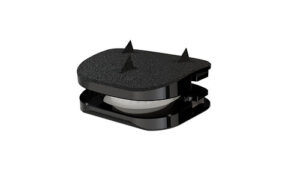
Designed for spinal fusion surgery, Lux is designed to increase the chances of procedural success and provide greater flexibility once implants are fitted.

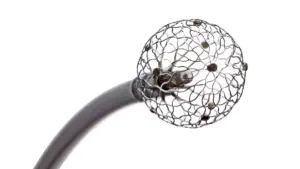
W.L. Gore & Associates announced today that it received CE mark approval for its Viabahn Fortegra venous stent system.

EBR Systems said today that a new Medicare National Coverage Determination (NCD) will evaluate its leadless endocardial pacing technology.

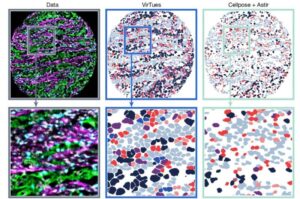
Mayo Clinic researchers and collaborators have shown that artificial intelligence (AI) can analyze routine pathology slides to help classify meningiomas, the most common primary brain tumor in adults, and predict a patient’s risk of tumor recurrence.

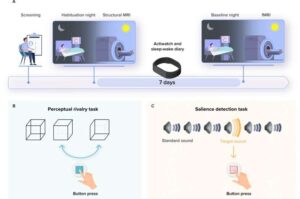
By inducing specific patterns of activity in small portions of the brain in awake mice, researchers have triggered a recalibration of neural connections that normally only occurs during sleep. This new approach offset the effects of sleep deprivation on memory tasks and revealed features of sleep that are key to its restorative effect.