
Microbot Medical first to deploy LIBERTY robotic system
Microbot is collaborating with Emory to establish an Endovascular Robotics Program in interventional radiology to enhance the growing and evolving specialty field.

Microbot is collaborating with Emory to establish an Endovascular Robotics Program in interventional radiology to enhance the growing and evolving specialty field.
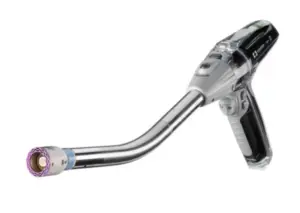
The new system gives surgeons the first intelligent circular stapling option throughout the alimentary tract for the creation of end-to-end, end-to-side, and side-to-side anastomoses in both open and laparoscopic surgeries.

An international team of researchers led by the Francis Crick Institute, working with the Paul Scherrer Institute, has developed a new imaging protocol to capture mouse brain cell connections in precise detail. In work published in Nature Methods, they combined the use of X-rays with radiation-resistant materials sourced from the aerospace industry.
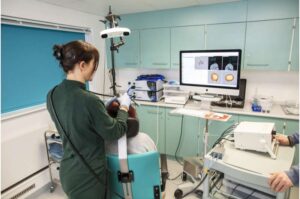
The nucleus accumbens is a tiny element of the human brain triggered when we experience something enjoyable, and used to help us learn behaviors that lead to rewards. A new study has shown for the first time that its influence on human behavior can be altered using transcranial ultrasound stimulation (TUS).
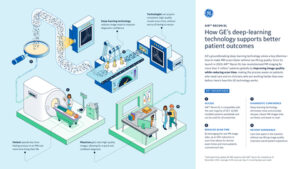
GE HealthCare’s Recon DL is claimed to be the first mammography technology to use deep learning alongside iterative reconstruction to improve image quality.
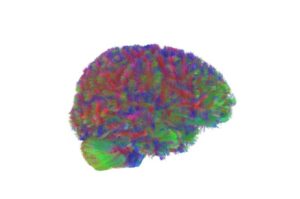
Neuroscientists at the University of Cambridge have identified five “major epochs” of brain structure over the course of a human life, as our brains rewire to support different ways of thinking while we grow, mature, and ultimately decline.

A simple neck scan can identify men with double the risk of heart failure, according to research led by University College London.
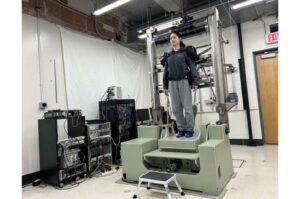
What if a robot could show us how the brain keeps us balanced? UBC scientists built one—and their discovery could help shape new ways to reduce fall risk for millions of people.
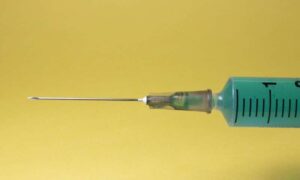
A monthly injection has helped 90% of severe asthma patients reduce daily steroid tablets, which are associated with long-term side effects. More than half of the participants who had received the injection were able to stop their daily steroid tablets entirely, without any impact on their symptoms.

Nerve damage is one of the most common and burdensome complications of diabetes. Millions of patients worldwide suffer from pain, numbness, and restricted movement, largely because damaged nerve fibers do not regenerate sufficiently. The reasons for this are unclear.