
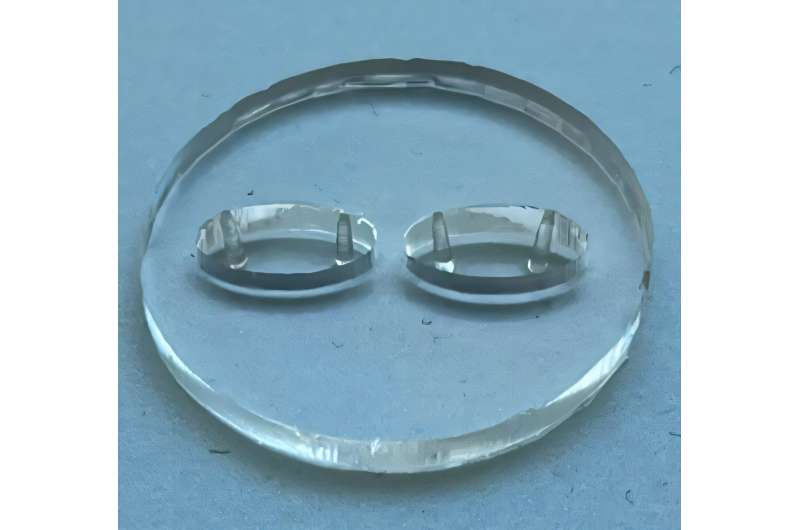
Dilated cardiomyopathy is a serious heart condition in which the heart becomes enlarged and weakened, impairing its ability to pump blood and potentially leading to heart failure and abnormal heart rhythms. According to the authors of the study, it is associated with a 50% risk of progression to heart failure within five years.
“With this new patient-derived 3D heart-on-a-chip model, we can begin to recreate aspects of an individual patient’s heart disease outside the body, opening the door to applications in personalized medicine,” says Ali Mousavi, first author of the study and a postdoctoral fellow in Dr. Renzo Cecere’s Myocardial Regeneration Lab at The Institute.