
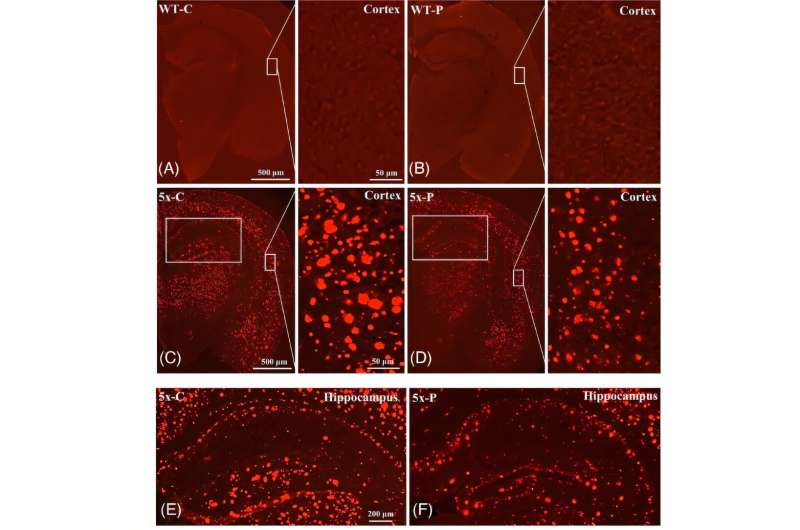
In a study published in Alzheimer’s & Dementia, Dr. Satyabrata Kar and colleagues report finding improved symptoms and reversal of the disease at the molecular and cellular level in mice with Alzheimer’s following treatment with a class of nanoparticles called polylactic-co-glycolic acid, or PLGA. The nanoparticles have been approved for drug delivery in humans in the United States, Europe and Canada.
“These molecules have a long-standing safety record and are biodegradable,” says Kar, a professor in the Department of Medicine.