
Pulmonary arterial hypertension, or PAH, damages the blood vessels in the lungs and makes it harder for the heart to pump blood. It affects the heart’s right ventricle, which supplies oxygen-rich blood to the lungs and, if left untreated, can lead to heart failure and death within two to three years after diagnosis.
How miR-224 drives disease
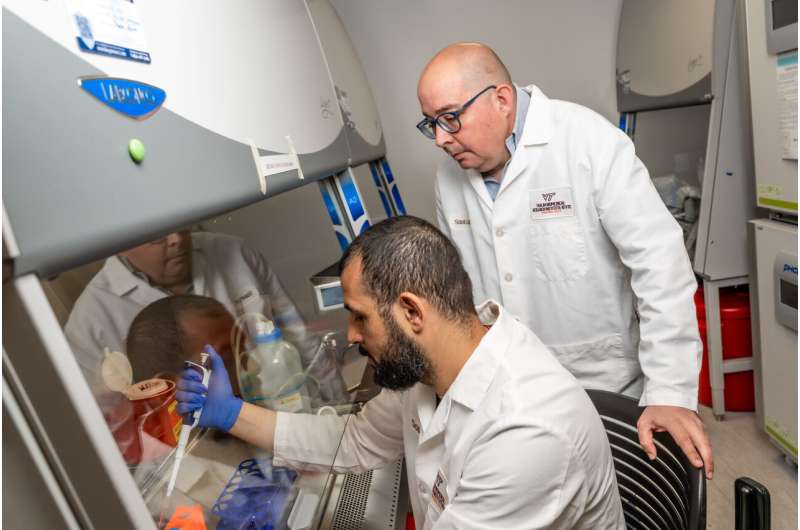
In a study published in Science Translational Medicine and led by Yassine Sassi of the Fralin Biomedical Research Institute at VTC, researchers focused on microRNA-224, which was found at elevated levels in the lungs of patients with the disease and in patient-derived cells.