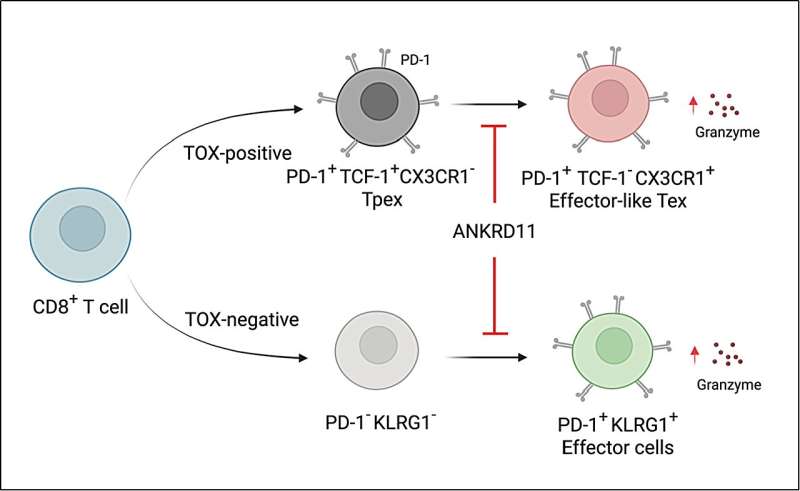
HBV infects about 296 million people worldwide and is a leading cause of serious liver diseases such as cirrhosis and liver cancer. One major reason the immune system struggles to control chronic HBV is that CD8+ T cells, which normally attack infected cells, become weakened and can’t multiply well. The liver environment can further suppress immune responses, making some existing immune-based therapies less effective against HBV. Identifying new ways to restore T cell function is therefore an important goal in treating chronic HBV infection.
