
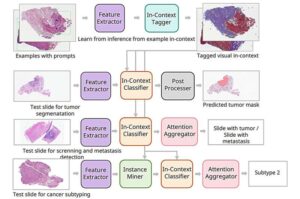
Plug-and-play AI recognizes 18 cancer types from just a handful of slides
A research team led by The Hong Kong University of Science and Technology (HKUST) has developed a pioneering artificial intelligence (AI) pathology analysis system that can accurately recognize multiple types of cancer using only a minimal number of samples.
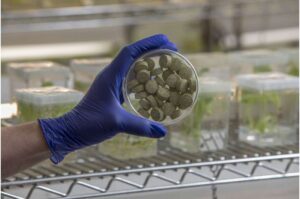
This bioengineered chewing gum wipes out cancer-linked mouth microbes while sparing healthy bacteria
Researchers led by Henry Daniell of the School of Dental Medicine have shown that extracts from bioengineered chewing gum reduce the levels of three microbes known to be associated with head and neck squamous cell cancer (HNSCC), paving the way for more effective and affordable therapies.
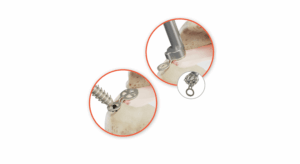
FDA Approves Expanded Clinical Applications for SINEFIX™ in Soft Tissue Repair
Broader indications reinforce SINEFIX as a versatile alternative to traditional suture anchors for soft tissue-to-bone fixation.

Vapotherm® Announces FDA 510(k) Clearance for the All Patient Circuit™, Enabling High Velocity Therapy for Neonatal to Adult Patients
EXETER, N.H., April 21, 2026 /PRNewswire/ — Vapotherm, Inc., a developer and manufacturer of advanced respiratory technology, today announced it has received 510(k) clearance from the U.S. Food and Drug Administration (FDA) for its All Patient Circuit (APC™) which now includes therapy settings for neonatal and infant patients. The cleared APC enables the HVT 2.0 high velocity therapy system to deliver therapy across a 2–45 L/min flow range using a single disposable patient circuit.

Hyalex Orthopaedics Announces FDA 510(k) Clearance of the HYALEX Slalom™ MTP Hemiarthroplasty System
LEXINGTON, Mass., April 21, 2026 (GLOBE NEWSWIRE) — Hyalex Orthopaedics today announced that it has received U.S. Food and Drug Administration (FDA) 510(k) clearance for its HYALEX Slalom™ MTP Hemiarthroplasty Implant, a next-generation implant designed around the proprietary Hydrosurf™ materials platform, for the treatment of degenerative conditions affecting the first metatarsophalangeal (MTP) joint, including hallux rigidus.

Implanted nerve stimulation for obstructive sleep apnea found to be safe and effective
Researchers conducted the OSPREY (treating Obstructive Sleep aPnea using taRgEted hYpoglossal nerve stimulation) trial to better understand the safety and efficacy of pHGNS.

AI screening in brain organoids uncovers two drug candidates for Leigh syndrome
Together with a team from the University of Luxembourg, researchers from Heinrich Heine University Düsseldorf (HHU) and University Hospital Düsseldorf (UKD) have succeeded in utilizing artificial intelligence (AI) to establish a model that enables a better understanding of Leigh syndrome.
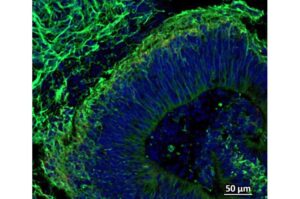
Mini brain-like structures grown in lab may help scientists treat, diagnose and stage Alzheimer’s disease
Scientists from Johns Hopkins Medicine report new evidence that clusters of brain tissue derived from the cells of patients with Alzheimer’s disease may be used to evaluate how certain patients with the neurodegenerative condition may respond to drugs commonly prescribed to treat psychiatric symptoms of the disorder.