
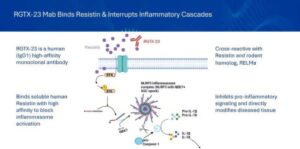
Study identifies key driver of inflammation, opening door to potential new treatments
Researchers at Johns Hopkins Medicine have uncovered a critical biological mechanism that helps explain how inflammation is triggered and sustained in a wide range of diseases—highlighting a promising avenue for future therapeutic development.

HoneyNaps Develops Next-Generation Wireless PSG system Using Four Skin Patches
BOSTON, Sept. 4, 2026 /PRNewswire/ — HoneyNaps, specializing in AI-powered sleep medical devices, has developed a next-generation wireless polysomnography system that combines patch-based skin sensors with artificial intelligence-driven analysis.

Withings Introduces StethO Sense, Bringing Heart and Lung Sound Analysis to BeamO
StethO Sense, a new Withings+ service powered by eMurmur® and StethoMe, brings on-demand AI-powered heart sound analysis and breathing pattern insights to BeamO users, allowing families to track changes in heart sounds and breathing patterns early from home.

Medtronic says Endurant stent graft’s new CE mark could boost use for ruptured AAA
Medtronic (NYSE: MDT) has secured a CE mark for its Endurant stent graft, removing a treatment warning related to its use in ruptured abdominal aortic aneurysms (AAA).
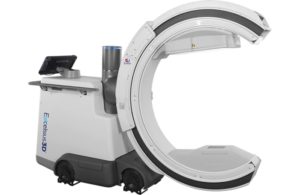
Globus Medical wins CE mark for Excelsius3D imaging system
Globus Medical (NYSE: GMED) has secured a CE mark for its Excelsius3D intelligent 3-in-1 imaging system for spine and cranial procedures.
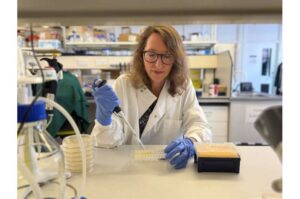
Micro-bladder model offers clues to stopping recurrent UTIs
A lab-grown micro bladder may explain why urinary tract infections (UTIs) return so frequently, according to a study led by researchers at UCL, the University of Oxford and the University of Leicester.
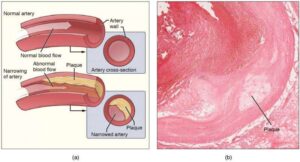
Cancer drug tames atherosclerosis inflammation and plaque in animal models
Atherosclerosis predominantly affects regions of the arteries that bend or branch, creating disturbances in blood flow dynamics that activate cells’ inflammatory pathways and eventually lead to plaque buildup.
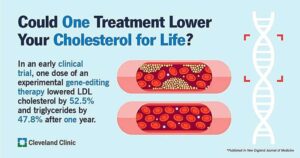
CRISPR gene-editing therapy safely and continuously lowers cholesterol and triglycerides, first-in-human trial shows
A Cleveland Clinic first-in-human clinical trial has shown that a one-time infusion of a gene-editing therapy using CRISPR-Cas9 was effective and safe in reducing LDL (“bad”) cholesterol and triglycerides in people with medication-resistant lipid disorders through one year of follow-up across all doses.