
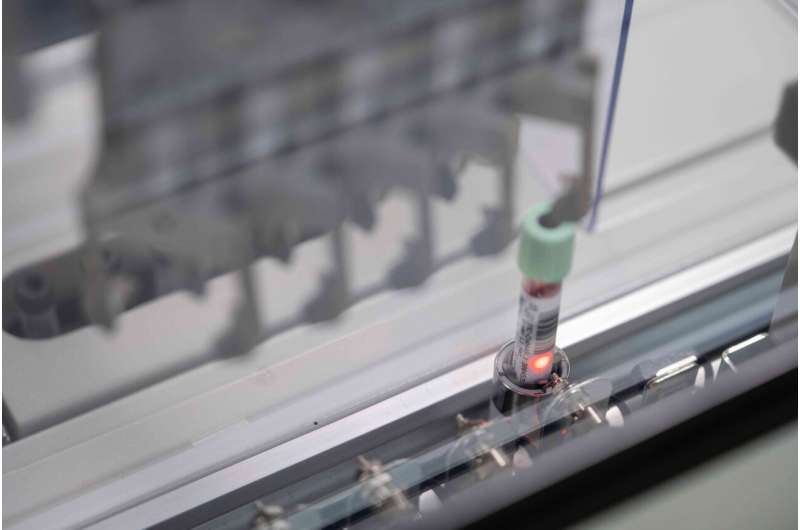
One reason pancreatic cancer remains so deadly is because it’s usually discovered late, after it has spread. A large international study, published in Nature Medicine today, found that this liquid biopsy, called PANXEON, was highly sensitive in detecting stage 1 and 2 pancreatic cancer and had a low rate of false positives. The experimental test was also able to identify high-grade dysplasia, a precancerous condition of the pancreas, potentially enabling intervention before cancer develops.
“Pancreatic cancer remains so deadly largely because we find it after the window for cure has begun to close,” said senior author Ajay Goel, chair of the Department of Molecular Diagnostics and Experimental Therapeutics at City of Hope. “For patients, these findings represent progress toward finding pancreatic cancer before symptoms appear and while more treatment options remain available.”