
Humans possess a remarkable balance between stability and flexibility, enabling them to quickly establish new plans and adjust goals even in the face of sudden changes. However, “model-free reinforcement learning,” which is widely used in robotics and exemplified by AlphaGo’s famous match against Lee Sedol, struggles to achieve these two capabilities simultaneously.
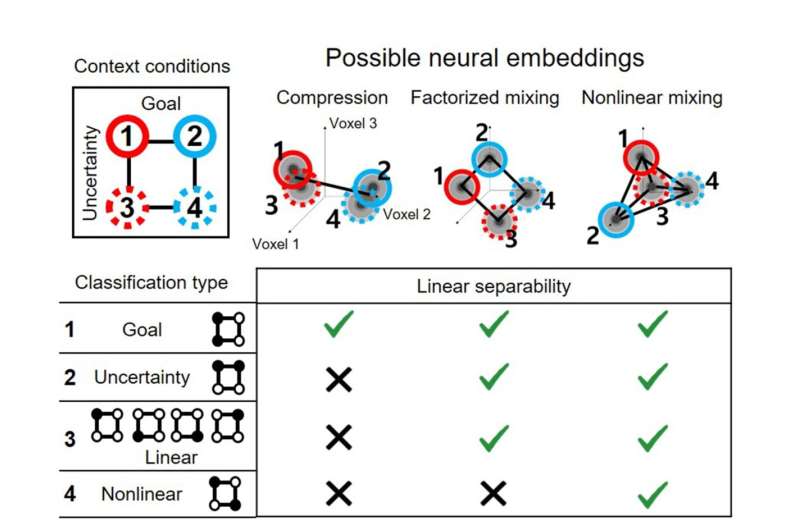
KAIST’s research team has discovered that the secret lies in the unique information processing method within the prefrontal cortex, a principle that could serve as the foundation for developing brain-like AI that is both flexible and stable.