
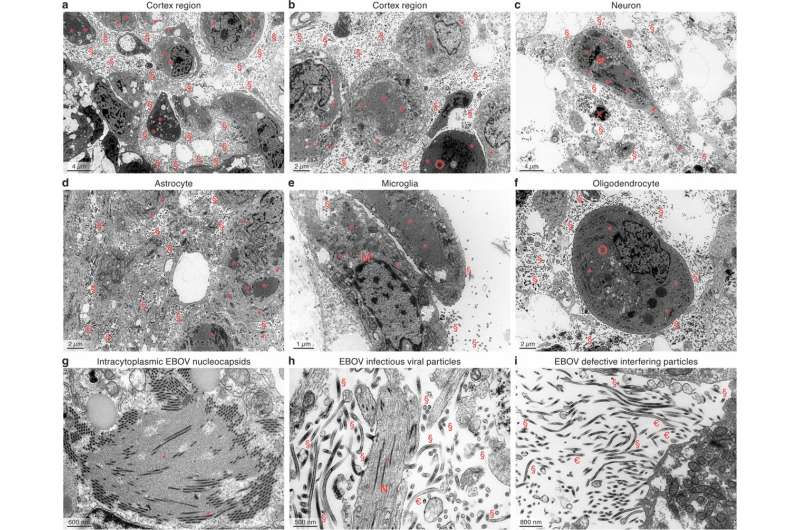
Ebola virus is a filovirus that causes Ebola virus disease, a severe and often fatal infection. Even if those affected survive the acute phase of the disease, the virus can remain in the body. Infectious Ebola virus has been detected in semen for months or even a year after infection. The virus can also persist in other immune-privileged organs such as the central nervous system, particularly the brain.
Immune-privileged means the immune system reacts in a weakened and controlled manner in these areas in order to protect sensitive tissue. As a result, it cannot always eliminate the virus completely. This persistent viral presence increases the risk of late inflammatory disease and relapses in individual patients and, albeit rarely, of retransmission to others.