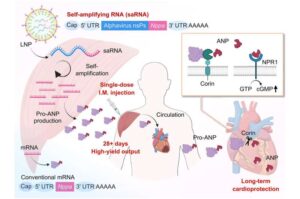
Single saRNA shot helps with healing after a heart attack
This simple injection may one day help people recover more safely and fully after a heart attack.

This simple injection may one day help people recover more safely and fully after a heart attack.
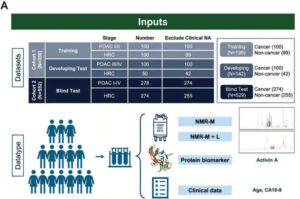
A team of researchers from Taiwan has developed PanMETAI, an AI-powered platform that analyzes metabolic fingerprints in a simple blood sample to detect pancreatic cancer at its earliest stages—when treatment is most effective—achieving up to 94% diagnostic accuracy.
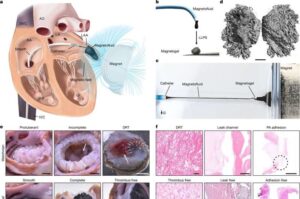
Researchers have developed a promising new treatment involving magnetic fluids.
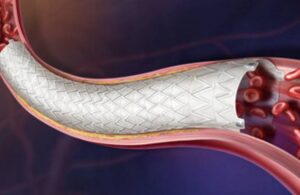
BD (NYSE: BDX)+ announced today that it received CE mark approval for its Revello vascular covered stent system.

Wearable sensors may help identify people with multiple sclerosis (MS) who are more likely to have worsening disability and loss of brain volume, according to a study published in Neurology.
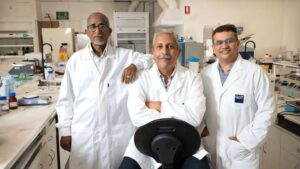
QUT researchers have developed a simple one-hour saliva test for a protein biomarker that has been linked with oral, colon and pancreatic cancers.
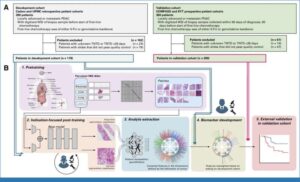
A new tool co-developed by investigators from Cedars-Sinai Health Sciences University can predict which of two available chemotherapy options for pancreatic cancer would be more effective for an individual patient.

Researchers at the Johns Hopkins Kimmel Cancer Center report that an artificial intelligence (AI)-based liquid biopsy test using genome-wide cell-free DNA (cfDNA) fragmentation patterns and repeat landscapes can detect early liver fibrosis and cirrhosis.
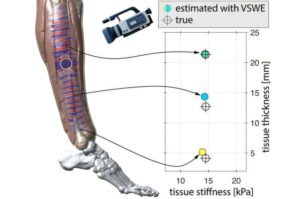
Caltech scientists have developed a method that detects tiny, imperceptible movements at the surface of objects to reveal details about what lies beneath.
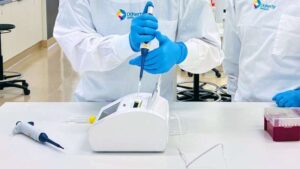
Researchers at the Peter Doherty Institute for Infection and Immunity (Doherty Institute) have developed a world-first portable point-of-care test that detects four common sexually transmitted infections at once, in under an hour.