Using cancer’s strength to fight against it
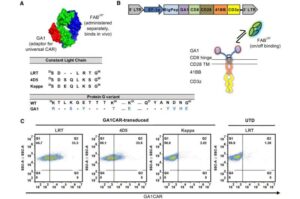
New technique made human T cells 100 times more potent at killing cancer cells

New technique made human T cells 100 times more potent at killing cancer cells

FDA clearance supported by highly compelling clinical study results demonstrating 93% of subjects treated arms were “improved” or “very much improved” in appearance, following treatment utilizing SUPERB™

A team of researchers at the University of Massachusetts Amherst has developed the first dual-color optoelectronic neural probe.

Preclinical research published in the Journal for ImmunoTherapy of Cancer points to a promising new treatment option for people with pancreatic cancer. Researchers from VCU Massey Comprehensive Cancer Center and the VCU Institute of Molecular Medicine (VIMM) suggest that when used in a form that can be delivered directly into the tumor cell, polyinosine–polycytidylic acid (pIC) suppresses tumor growth, induces cancer cell death and enhances survival in animal models with the most common form of pancreatic cancer

New research finds RNA-guided enzymes called Fanzors are widespread among eukaryotic organisms.

Restoring contacts between mitochondria and lysosomes improves neuronal function