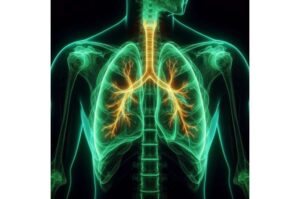
First breathing ‘lung-on-chip’ developed using genetically identical cells
Researchers at the Francis Crick Institute and AlveoliX have developed the first human lung-on-chip model using stem cells taken from only one person.

Researchers at the Francis Crick Institute and AlveoliX have developed the first human lung-on-chip model using stem cells taken from only one person.

A multicenter study led by UC Davis Health has tested a new treatment designed to improve care for people with a rare liver disease called primary sclerosing cholangitis. Researchers learned that an anti-inflammatory and anti-fibrotic monoclonal antibody known as nebokitug was safe and showed potential efficacy in patients with PSC.

Australian researchers have discovered that the TAK1 gene helps cancer cells survive attack from the immune system, revealing a mechanism that may limit the effectiveness of immunotherapy treatments.
A tiny percentage of our DNA—around 2%—contains 20,000-odd genes. The remaining 98%—long known as the non-coding genome, or so-called ‘junk’ DNA—includes many of the “switches” that control when and how strongly genes are expressed.
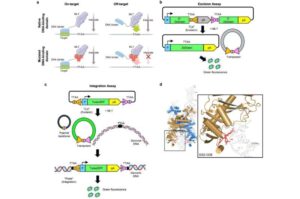
Their next target is to use this technology in CAR T-cell immunotherapy, which reprograms the immune system to hunt and destroy cancer cells.
A study published in the Journal of Clinical Oncology confirms that one of the first Food and Drug Administration-approved CAR-T cell therapies offers long-term survival and potential cures for adult patients with relapsed or refractory large B-cell lymphoma, even years after treatment.
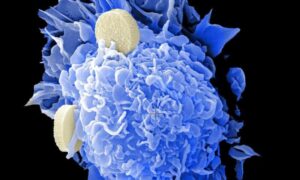
University of South Australia scientists have developed a powerful new way to uncover the genetic interactions that fuel cancer progression, paving the way for earlier and more precise treatments.
A new study reveals that a rarely-diagnosed and frequently drug-resistant species, Aspergillus tubingensis, may be one of the most common causes of fungal infections in Southern California.
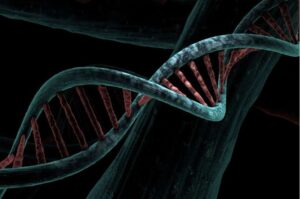
A genetic variant is likely putting some children suffering with myocarditis—inflammation of the heart muscle—at higher risk of developing heart failure, which can be fatal, according to a study published in Circulation Heart Failure.
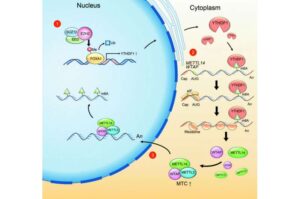
A Northwestern Medicine study published in the Journal of Clinical Investigation has uncovered a connection between a well-known cancer-related protein and a major RNA modification process, which may inform new treatment strategies against prostate cancer.