Antibody designed to guide immune cells against hard-to-treat cancer types
A cancer-targeting antibody that helps the body’s immune cells spot and destroy hard-to-treat tumors such as triple-negative breast cancer has been developed by researchers.

A cancer-targeting antibody that helps the body’s immune cells spot and destroy hard-to-treat tumors such as triple-negative breast cancer has been developed by researchers.

Scientists at The University of Texas at El Paso have found a promising new target in the fight against high-grade serous carcinoma, an aggressive form of ovarian cancer. Less than 50% of women survive five years after diagnosis, according to the team.

Small, cancer-associated DNA circles “hitchhike” on chromosomes during cell division to spread efficiently to daughter cells by co-opting a process used to maintain cellular identity through generations, Stanford Medicine-led research has found.

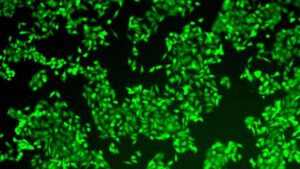
One of the hallmarks of cancer cells is their ability to evade apoptosis, or programmed cell death, through changes in protein expression.

Bacteria may be the next frontier in cancer treatment, according to a team led by researchers at Penn State that devised a new approach of creating bacteria-derived mixtures—or cocktails—to help fight bladder cancer.

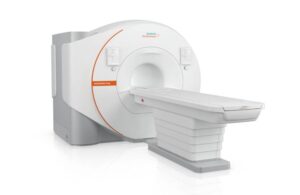
Philips (NYSE: PHG)+ has announced the launch of what it calls the world’s first detector-based spectral CT fully powered by AI.

Medical Microinstruments (MMI) announced today that it won reimbursement for its surgical lymphovenous bypass (LVB) surgery system.

A team of scientists have developed a simple method for automated manufacturing of lung organoids which could revolutionize the development of treatments for lung disease. These organoids, miniature structures containing the cells that real lungs do, could be used to test early-stage experimental drugs more effectively, without needing to use animal material.

A new international study led by the Nanobiosystems group at CIC nanoGUNE, is developing miniature, non-invasive, precise robotic catheters for use in reproductive medicine and gynecological health.

Research led by the Veterans Affairs Portland Health Care System in Portland, Oregon, found that a single dose of respiratory syncytial virus (RSV) vaccine reduced RSV infections and RSV-related emergency visits, hospitalizations, and intensive care unit admissions among US veterans 60 years and older across two respiratory illness seasons. Protection was seen declining over time and falling most among immunocompromised individuals.