Roche Secures CE Mark for Alzheimer’s Blood Test
New minimally invasive diagnostic aids in ruling out Alzheimer’s disease early, expanding access to timely and accurate neurological assessments across Europe.

New minimally invasive diagnostic aids in ruling out Alzheimer’s disease early, expanding access to timely and accurate neurological assessments across Europe.

We all have one: a junk drawer that we stuff full of all our random — and often useless — items that we can’t throw away. However, once in a while, there’s something in that drawer that ends up being more useful than we initially thought. According to a new study, this is also true for the human body.

NeuroOne Medical Technologies this week announced its patent covering novel manufacturing steps for neural probe devices received a notice of allowance from the U.S. Patent and Trademark Office.

Trinity Biotech (Nasdaq:TRIB) today announced its plans to add another continuous glucose monitor (CGM) system to the growing market.

Melanoma testing could one day be done at home with a skin patch and test strip with two lines, similar to COVID-19 home tests, according to University of Michigan researchers.

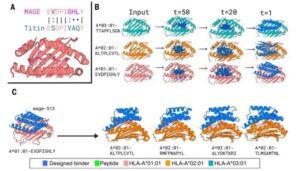
Researchers have harnessed the power of artificial intelligence to design a blueprint for building a vaccine that aims to teach the body’s immune system to fight cancer.

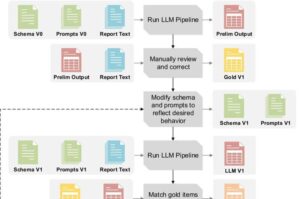
A new study from the University of Colorado Anschutz Medical Campus shows that free, open-source artificial intelligence (AI) tools can help doctors report medical scans just as well as more expensive commercial systems, without putting patient privacy at risk.

Thanks to a new technique, neurosurgeons at UMC Utrecht have been able to watch the blood flow in brain tissue live during surgery for the first time. Together with researchers from Eindhoven University of Technology, they have developed a method that allows them to detect the risk of a stroke during surgery sooner—and potentially prevent it. The technique could also be useful for other types of operations, such as kidney transplants.

A wearable technology developed by Technion Professor Hossam Haick and colleagues in China enables real-time, noninvasive tracking and optimized treatment for diabetic patients.

Precision cancer treatment on a larger scale is moving closer now that researchers have developed an AI platform to tailor protein components and arm the patient’s immune cells to fight cancer.