
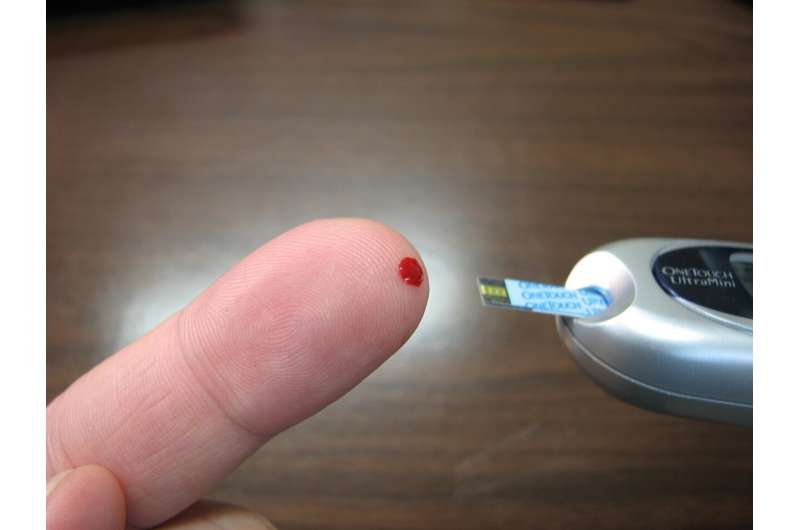
Researchers at Boston University Chobanian & Avedisian School of Medicine have found that glucose patterns captured by CGM devices among adults without diabetes are related to markers of cardiometabolic risk. The findings, published in Diabetes Care, could ultimately inform future approaches to identifying individuals at greater risk for poor cardiometabolic health.
“Understanding temporal glucose patterns may be pivotal in uncovering early or intermittent dysglycemia and its downstream cardiometabolic risks. Continuous glucose monitoring may help characterize the heterogeneity underlying dysglycemia by enabling phenotyping of individuals across the blood sugar continuum,” explains corresponding author Nicole Spartano, Ph.D., assistant professor of medicine.