
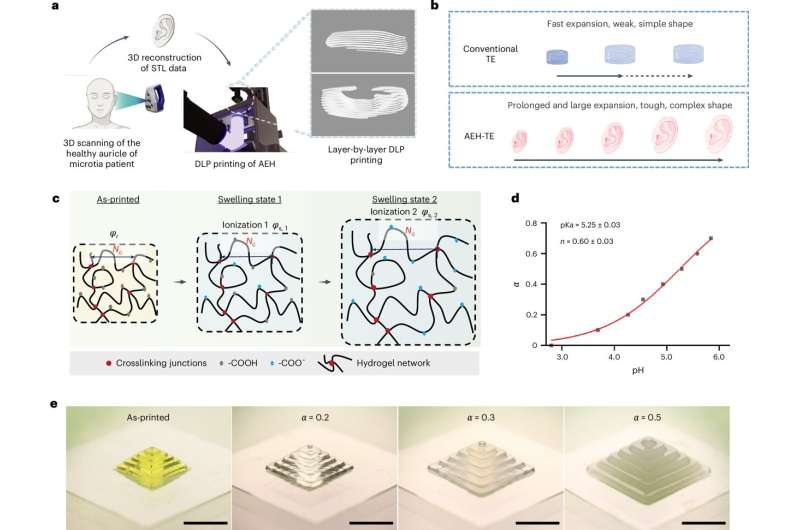
Tissue expansion is a common technique used in reconstructive surgery. Surgeons slowly stretch nearby skin to grow extra tissue that can be used to rebuild areas such as the ear, breast, or nose.
The most used device today is a silicone balloon that is gradually filled with saltwater over several weeks or months. While this approach has helped many patients, it has downsides.
The repeated injections can be painful and require frequent clinic visits. Complications can also occur, such as bleeding, device shifting, or problems with the injection port. In many cases, patients also need an extra surgery to remove excess stretched skin.