
“The classic progression of Parkinson’s disease is that cognition gets bad as well as motor symptoms, and some people already have significantly impaired cognition by the time they get to a diagnosis,” says DeSouza, who worked closely on the study with lead author Simran Rooprai, a second-year interdisciplinary master’s student at York. “So finding that no one in the dance group had further cognitive decline over six years, we think that’s pretty significant.”
Study design and participant details
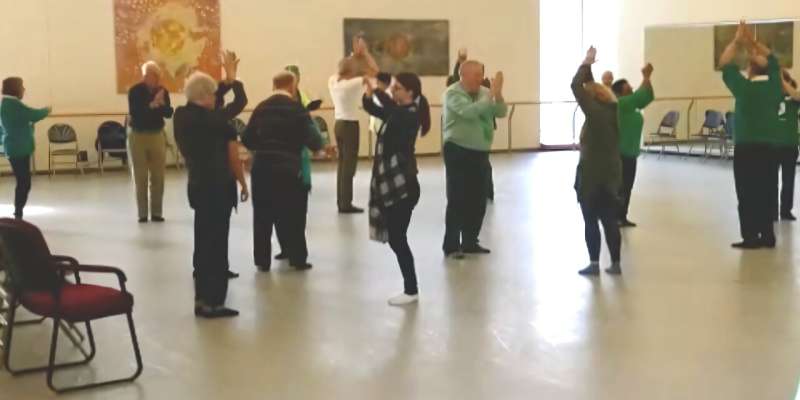
The study, published today in the Journal of Alzheimer’s Disease, looked at 43 participants from a group with Parkinson’s participating in the Sharing Dance Parkinson’s program at the National Ballet of Canada and the Dance for Parkinson’s Disease program through Trinity St. Paul’s Church, both located in Toronto, and a reference group of 28 people with Parkinson’s who were sedentary and not engaged in any physical activity.