
The vast majority of deaths caused by cancer—as many as 9 in 10—are caused not by an initial tumor, but by the impact of these metastatic tumors (also known as stage 4 cancer). Understanding this complex process is among the most challenging and urgent needs in cancer science.
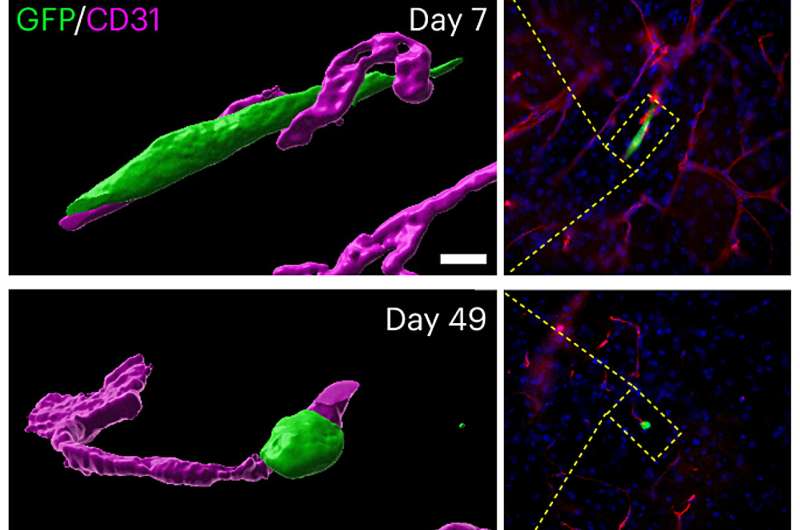
Now new research at Memorial Sloan Kettering Cancer Center (MSK) shows how metastatic cancer cells prevent the immune system from eliminating them by changing their shape. Scientists at MSK uncovered how cancer cells lower their surface tension, making it harder for patrolling immune cells to latch onto them. The findings, published January 5 in Nature Cancer, illuminate how cancer cells physically adapt to survive.
“When cancer cells are round, they have much lower surface tension and it’s harder for the immune cells to attack them and pop them like a balloon,” says senior study author Joan Massagué, Ph.D., Director of MSK’s Sloan Kettering Institute and a leading expert on cancer metastasis.