
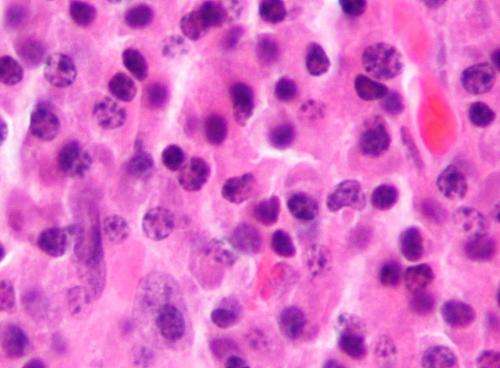
Multiple myeloma is a cancer of plasma cells, which are immune cells that make antibodies. To create CAR T-cell therapy, scientists modify a patient’s T cells so they can find and attack myeloma cells. Existing CAR T-cell therapies recognize B-cell maturation antigen (BCMA) on myeloma cells. TriPRIL was engineered by Mass General Brigham researchers to make the CAR-T cells recognize both BCMA and a second protein, transmembrane activator and CAML interactor (TACI).
Because the treatment is based on human proteins, the researchers believe it may be less likely to lead to anti-drug antibodies that can reduce the long-term persistence and effects of other CAR-T cells.