
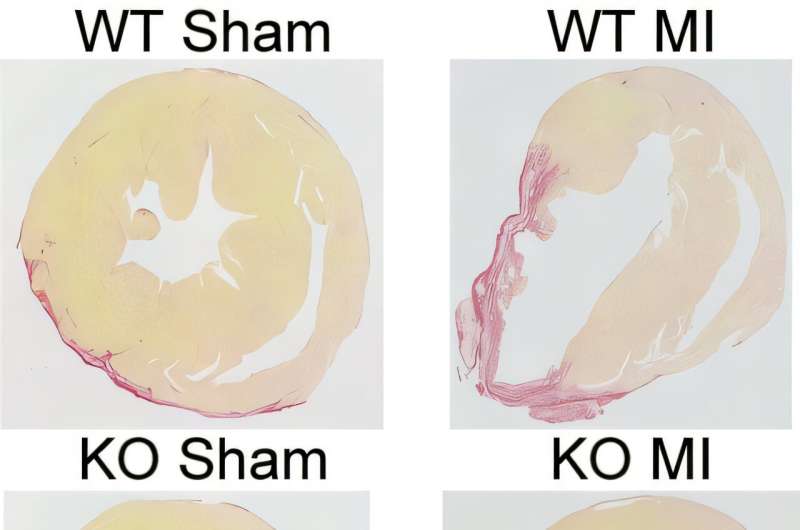
This stiffening process, called fibrosis, can also affect other organs like the liver, potentially leading to cirrhosis. Fibrosis is estimated to contribute to 45% of deaths in developed countries, but there is no definitive therapy that directly suppresses it.
Researchers in Japan have found that the enzyme BCAT1 plays a major role in cardiac fibrosis. In mouse studies, blocking BCAT1 reduced fibrosis and preserved heart function, even after tissue damage had started. These findings, published in the Journal of Clinical Investigation, highlight BCAT1 as a promising therapeutic target.