
The drug, Kamuvudine K-9, is a derivative of HIV drugs already approved for use in people. It was developed by Jayakrishna Ambati, MD, founding director of UVA’s Center for Advanced Vision Science and the DuPont Guerry III Professor in the UVA School of Medicine’s Department of Ophthalmology.
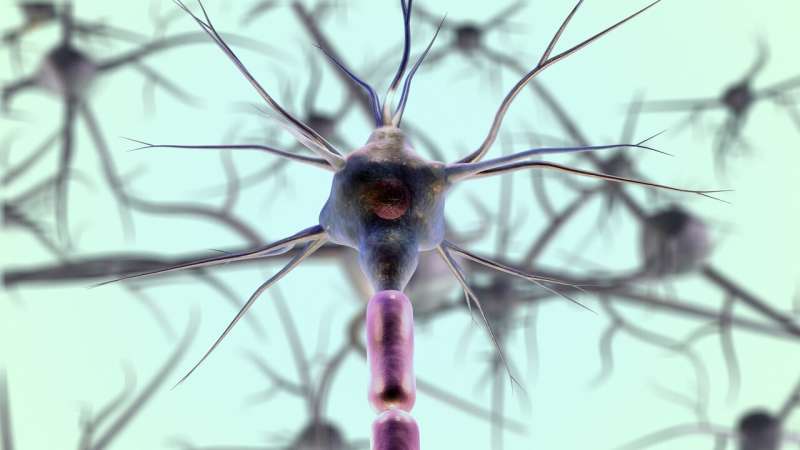
In Ambati’s new lab results, K-9 preserved nerve fibers and their myelin insulation that MS destroys. The drug also halted the rise in neurofilament light chain (NfL), a blood biomarker of nerve damage. In the same experiments, animals treated with an approved MS drug did not recover nearly as much function as those receiving K-9.