
For decades, two biological mechanisms have stood out as major drivers of high blood pressure: overactivity of the sympathetic nervous system, responsible for more than half of essential hypertension cases in humans, and the renin-angiotensin-aldosterone system (RAAS), the hormone system that most standard blood pressure medications target.
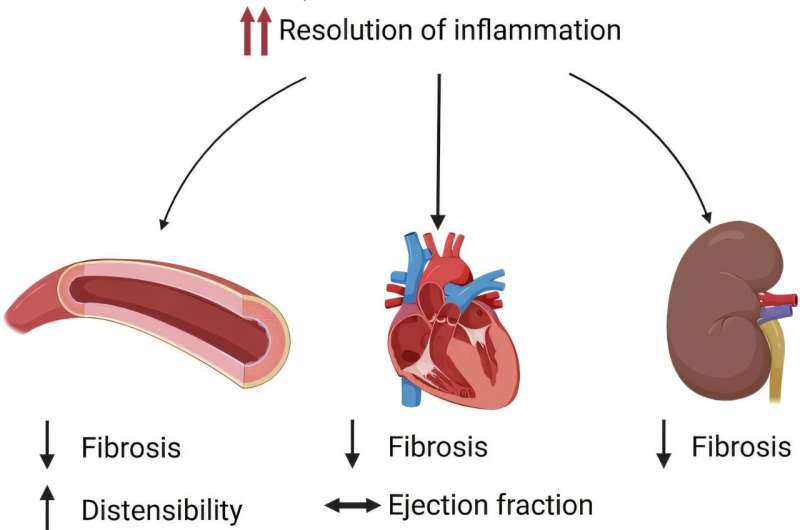
A recent study published in Communications Biology focused on a potential driver that often gets overlooked—inflammation.
This study tested whether Compound17b (Cmpd17b), a drug that targets formylpeptide receptors (FPRs), which trigger immune cells to rush toward inflammation, could repair damage that long-term high blood pressure and inflammation have already caused to blood vessels and kidneys.