
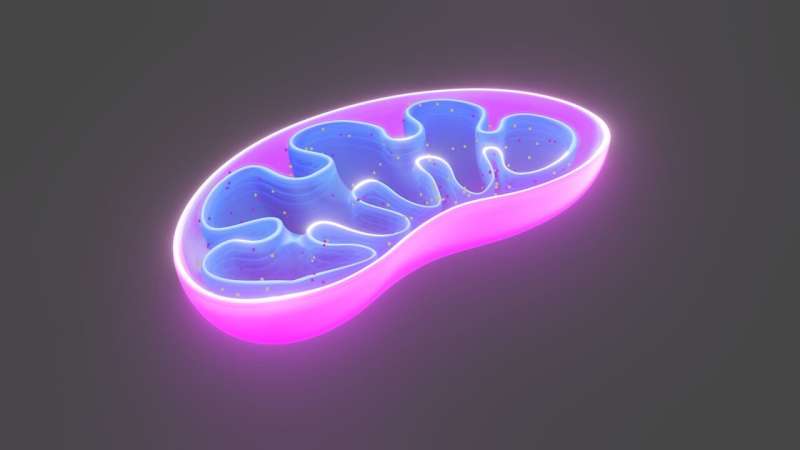
The study, published on October 7 in Brain, reveals extensive damage to mitochondrial DNA in these neurons and identifies evidence of a potentially protective response involving the mitochondrial quality-control gene PINK1. This response was particularly pronounced in people who survived longer after their Parkinson’s diagnosis.
The findings could help medical and clinical scientists understand why these neurons are vulnerable in Parkinson’s disease and identify ways to strengthen the brain’s natural mechanisms for protecting them.
Genetic and biomedical researchers from the University of Birmingham and Newcastle University used advanced single-cell mitochondrial DNA sequencing and computational analysis to study individual neurons from postmortem brain tissue donated by people with Parkinson’s disease, as well as healthy control tissue.